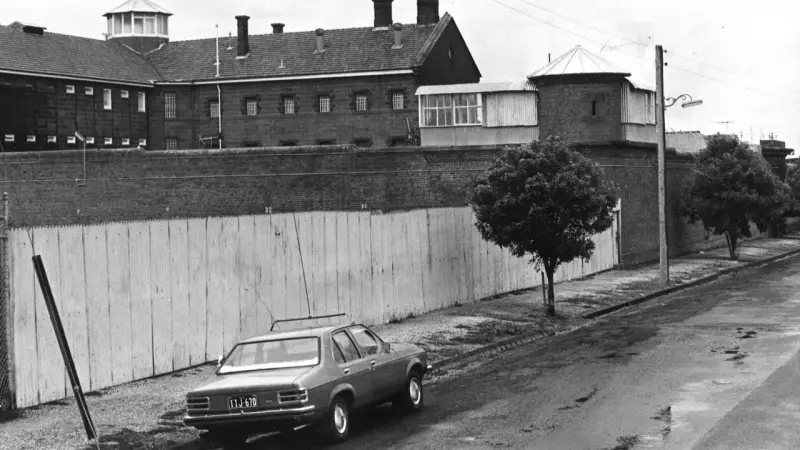
Secret government documents from the 1980s, kept under wraps for decades, have exposed a scathing internal assessment of Victoria's prison system, with the historic Geelong Gaol labelled as obsolete and unfit for purpose.
Damning Findings of the Secret Review
The confidential cabinet papers, released publicly after 40 years, detail a major review commissioned by the then-State Government in 1983. The report delivered a blistering critique of correctional facilities across the state. It found that the system was plagued by overcrowding, poor living conditions, and a critical lack of programs for inmate rehabilitation.
Specifically targeting Geelong Gaol, the review was unequivocal in its judgment. It stated the ageing facility, which had housed prisoners since the mid-19th century, was "obsolete" and "not suitable for its purpose". The report argued that the gaol's design and condition severely hampered effective corrections management and failed to meet modern standards.

Government's Hidden Plans and Public Silence
Despite the review's alarming conclusions, the government of the day, led by Premier John Cain, chose to keep the full findings from the public. The cabinet papers reveal discussions about managing the political fallout and the immense cost of addressing the systemic failures.
Instead of announcing a sweeping overhaul, the government's response focused on incremental changes and secretly planning for new prison infrastructure while publicly downplaying the crisis. The documents show a clear tension between the urgent need for reform identified by experts and the political and budgetary constraints facing the government.
Legacy and Lasting Impact on Geelong
The Geelong Gaol, located on Myers Street, finally ceased operations as a prison in 1991. Its closure aligned with the review's recommendations, albeit years later. The site has since been transformed, finding new life as a tourist attraction and event space, offering haunted tours and historical insights into its grim past.
The release of these papers provides a stark historical backdrop to ongoing debates about prison reform, corrections funding, and the treatment of inmates in Victoria. They highlight how critical issues of overcrowding and rehabilitation, identified four decades ago, remain persistent challenges for the state's justice system today.
For historians and Geelong locals, the documents offer a new, official perspective on the fate of a city landmark, confirming long-held suspicions about the government's private views on the gaol's viability and the true state of Victoria's prisons in the late 20th century.