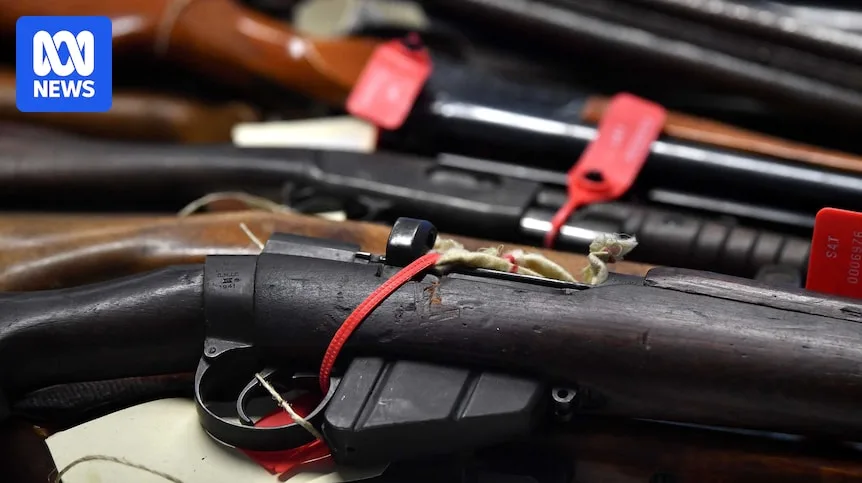
A Tasmanian gun control advocate says Australia's gun laws have been steadily eroded since the Port Arthur massacre, leading to the deadly Bondi shopping centre attack. Roland Browne, vice-president of Gun Control Australia, argues that the 1996 National Firearms Agreement has been weakened over the years, with disastrous results.
The Port Arthur massacre in 1996, where 35 people were killed and 23 injured, prompted sweeping reforms including a ban on semi-automatic rifles and a massive buyback program. The National Firearms Agreement classified firearms into five categories, with strict licensing requirements including a 'fit and proper person' test.
Browne said the Bondi attack, in which 50-year-old Sajid Akram used multiple firearms, showed a 'major failing in the assessment process' for gun licences. He noted that the objective of making it progressively harder to obtain additional guns had collapsed, allowing people in suburbs to own multiple firearms.

Research by The Australia Institute found there are now over 4 million civilian-owned guns nationwide, 25% higher than in 1996. The Sporting Shooters Association countered that the increase is less than population growth and that gun-related murders and suicides have fallen.
NSW police confirmed Akram held a category A/B licence for a decade and owned six registered firearms. Browne said the weapons used appeared to be long guns with rapid-fire magazines, possibly including the Beretta BRX1.