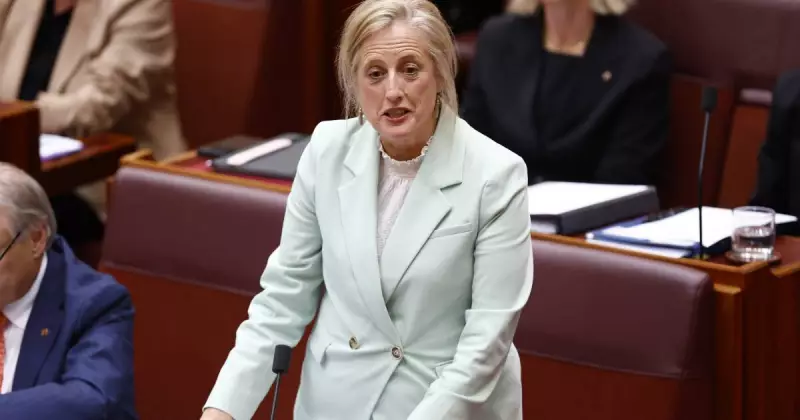
The Albanese government stands accused of protecting a corrosive culture of political patronage, after choosing to ignore key recommendations from a damning review into "jobs for mates" appointments to public boards.
A Damning Report Buried and Ignored
The government sat on the explosive report by former public service commissioner Lynelle Briggs for nearly three years before its recent release. The review, which examined over 200 board appointments, found clear evidence of "patronage and nepotism." It slammed the pre-election rush to install political allies as "egregious" and "shameless."
Ms Briggs concluded that "friends of the government" were too often rewarded with plum roles for their loyalty, a practice she stated should have "no place in modern Australian society." Her report provided a clear roadmap for reform to restore integrity and merit to the appointment process.

Government Opts for Weak 'Framework' Over Binding Law
Despite the scathing findings, the government has rejected the report's most significant safeguards. Finance Minister Katy Gallagher has dismissed calls for a ban on direct ministerial appointments in the six months before an election. She also rejected mandatory cooling-off periods for former politicians and their staffers before they can take up government roles.
Instead of legislating these changes, the government has opted for a discretionary "framework" that allows ministers to tailor selection processes. Senator Gallagher defended the move, arguing that rigid bans were unnecessary and would exclude skilled candidates, while claiming existing caretaker conventions were sufficient.
This defence has been widely criticised as hollow. Independent MP Sophie Scamps warned that without enshrining the rules in law, it is "unlikely this culture of cronyism will change." The decision effectively retains the loopholes that allow the jobs for mates system to thrive.
Public Trust Eroded as Political Class Protects Its Privileges
The government's lukewarm response has exposed its previous fierce criticism of Coalition "stacking" as largely rhetorical. It reveals a political establishment from both major parties seemingly wedded to a status quo where the spoils of victory include rewarding allies.
These coveted appointments are funded by taxpayers, a fact that fuels public anger amidst a severe cost-of-living crisis. The sight of former politicians—already receiving generous lifetime pensions—being handed high-paying government jobs is a potent symbol of a system perceived to prioritise insiders over the public interest.
This perception directly contributes to the abysmal standing of politicians in public trust surveys. Both the Governance Institute of Australia and Ipsos have consistently ranked federal politicians as the third least-trusted group in society, languishing near social media influencers and advertising executives.
By refusing to implement binding reform, the Labor government has chosen to protect a system that undermines public faith. Until merit is placed strictly above mateship and cronyism for public appointments, politicians should expect to remain firmly at the bottom of Australia's trust rankings.