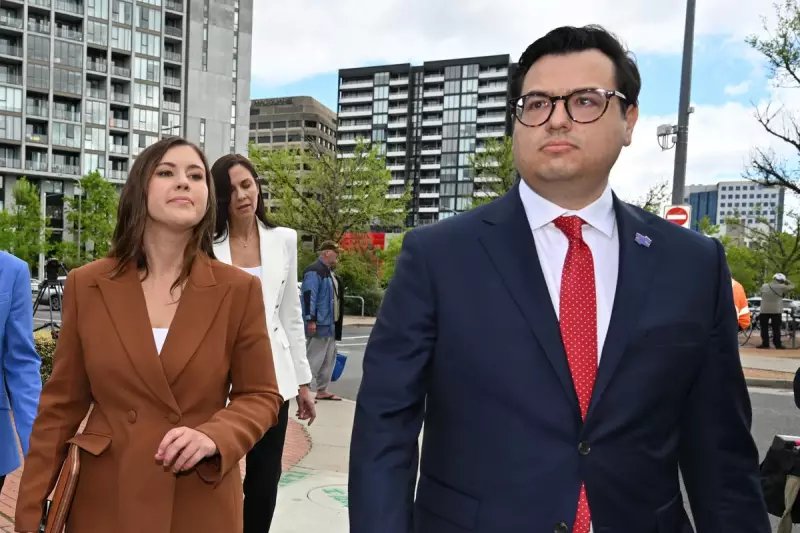
David Sharaz, the husband of former Liberal staffer Brittany Higgins, has been declared bankrupt by the Federal Court following a defamation lawsuit brought against him by Senator Linda Reynolds. The order was made on Monday, 15 July 2024, in the Federal Court's bankruptcy registry in New South Wales.
Legal Action and Financial Consequences
The bankruptcy declaration stems from an ongoing legal battle with Senator Reynolds, who sued Sharaz for defamation over social media posts he made. The court heard that Sharaz was unable to pay the significant legal costs associated with the case. This bankruptcy follows a similar declaration against Brittany Higgins herself just last week, on 8 July 2024, in the Supreme Court of Western Australia.
Senator Reynolds initiated separate defamation proceedings against both Higgins and Sharaz. The cases relate to comments made on social media platforms, which the Senator alleges damaged her reputation. With both defendants now declared bankrupt, the path forward for the Senator to recover costs has become more complex, as claims must now be pursued through the official trustee in bankruptcy.

Background of the Dispute
The legal actions find their origin in the allegations made by Brittany Higgins that she was raped by a colleague in a ministerial office in Parliament House in 2019. Senator Reynolds was Higgins's employer and the Minister of Defence at the time. The subsequent public fallout and commentary have led to years of legal manoeuvring.
Sharaz, a former political adviser turned communications professional, has been a vocal supporter of his wife throughout the ordeal. His social media activity became a focal point for Senator Reynolds's lawyers. The bankruptcy order against Sharaz was reportedly made after he failed to comply with a court-ordered timeline to pay the Senator's costs.
Implications and Next Steps
The dual bankruptcies of Higgins and Sharaz represent a major development in the long-running saga. Bankruptcy typically lasts for three years and has strict implications for an individual's financial affairs, including restrictions on obtaining credit and managing assets.
For Senator Reynolds, the goal of recovering legal costs now involves engaging with the bankruptcy trustee. The trustee will assess the bankrupt individuals' assets, if any, to distribute among creditors, which includes the Senator. This process is often lengthy and may not result in full recovery of the claimed amounts.
The core defamation claims against Higgins and Sharaz are not extinguished by the bankruptcy declarations. However, the practicalities of continuing the lawsuits are now severely complicated. Legal experts suggest this could lead to the proceedings being stayed or taking a very different course, as pursuing individuals without the means to pay damages or costs becomes a less viable legal strategy.
This latest chapter adds another layer of personal and financial strain to the individuals at the heart of one of Australia's most politically charged personal stories in recent years. The outcomes of the bankruptcy processes will be closely watched for their impact on the broader legal and political narrative.