Taylor and Canavan's Iran War Reactions Expose Coalition Divisions
In a striking display of political discord, Liberal leader Angus Taylor and Nationals leader Matt Canavan have shown markedly different reactions to the Iran war, highlighting a significant rift within the opposition coalition. According to analysis by Michelle Grattan, this contrast serves as a basic measure of their divergent approaches and underscores broader tensions that could impact Australia's political landscape.
Divergent Responses to International Conflict
Angus Taylor, as the Liberal leader, has adopted a cautious and diplomatic stance towards the Iran war, emphasizing the need for measured responses and international cooperation. In contrast, Matt Canavan, leading the Nationals, has taken a more assertive and hawkish position, advocating for stronger actions and a firmer stance. This difference in reaction is not merely a matter of personal opinion but reflects deeper ideological divides between the two parties within the coalition.
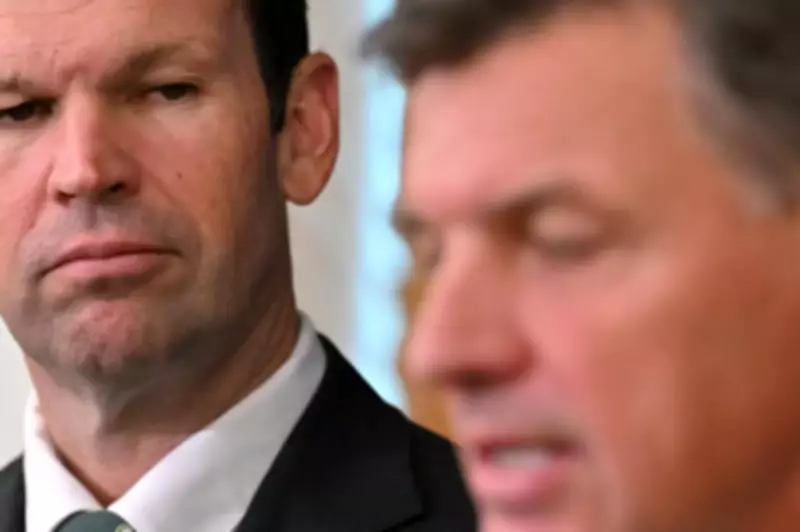
The press conference held at Parliament House in Canberra on Tuesday, March 31, 2026, captured this dynamic vividly. Observers noted the palpable tension between Taylor and Canavan, with their body language and statements revealing conflicting priorities. While Taylor focused on stability and strategic alliances, Canavan pushed for more aggressive policies, creating a challenging environment for unified opposition messaging.

Implications for Coalition Unity
This divergence in views on the Iran war raises questions about the cohesion of the Liberal-National coalition. Historically, such differences have led to internal conflicts and policy inconsistencies, potentially weakening the opposition's effectiveness. Michelle Grattan points out that if these tensions persist, they could undermine public confidence and hinder the coalition's ability to present a united front on critical issues.
Moreover, the contrasting reactions may influence voter perceptions, with some Australians aligning with Taylor's moderate approach and others supporting Canavan's tougher stance. This could fragment the coalition's support base and complicate electoral strategies in future campaigns.
Broader Political Context
Beyond the immediate issue of the Iran war, the Taylor-Canavan divide reflects ongoing challenges in Australian politics, where coalition partners must balance distinct agendas. As global conflicts like the Iran war evolve, such internal disagreements could become more pronounced, affecting Australia's foreign policy and domestic governance.
In summary, the reactions of Angus Taylor and Matt Canavan to the Iran war serve as a clear indicator of the deep-seated differences within the opposition coalition. As Michelle Grattan analyzes, these tensions are not just about personal styles but have significant implications for political stability and policy direction in Australia.