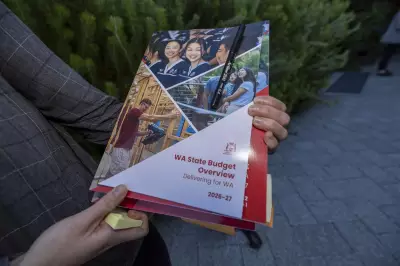
The 2026 federal budget has placed tax reform and housing affordability at the forefront, unveiling a suite of measures designed to stimulate economic growth and ease the cost-of-living burden on Australians. Treasurer Jim Chalmers delivered the budget on Tuesday evening, emphasising the government's commitment to fiscal responsibility while addressing key challenges facing the nation.
Key Tax Reforms
Central to the budget is a significant overhaul of the personal income tax system. The government has announced a reduction in the marginal tax rate for middle-income earners, with the 32.5% tax bracket to be lowered to 30% from July 1. This change is expected to benefit approximately 12 million taxpayers, providing an average annual saving of $1,200. Additionally, the tax-free threshold will be increased from $18,200 to $20,000, lifting an estimated 500,000 low-income earners out of the tax system entirely.
For businesses, the budget extends the instant asset write-off scheme for another year, allowing small and medium enterprises to immediately deduct eligible assets costing less than $30,000. This measure aims to encourage investment and support business growth.

Housing Affordability Initiatives
On the housing front, the government has unveiled a $10 billion Housing Affordability Fund, aimed at boosting the supply of affordable homes. The fund will provide grants to state and local governments to accelerate land release and infrastructure development. Additionally, the First Home Buyer Guarantee will be expanded, allowing 50,000 more first-home buyers to purchase a property with a deposit as low as 5% without paying lenders mortgage insurance.
The budget also includes a $2 billion investment in social housing, with the goal of constructing 20,000 new dwellings over the next four years. This is part of the government's broader ambition to deliver 1.2 million new homes by 2029.
Cost-of-Living Relief
To address immediate cost-of-living pressures, the budget provides $3 billion in energy bill relief for households and small businesses. Eligible households will receive up to $500 in rebates, while small businesses will be eligible for up to $1,000. The government has also increased Commonwealth Rent Assistance by 15%, benefiting over 1.2 million renters.
Economic Outlook
The budget forecasts a return to surplus in 2025-26, with a projected surplus of $4.5 billion. However, the government has warned of ongoing global economic uncertainties, including inflation and geopolitical tensions. Economic growth is expected to moderate to 2.25% in 2026-27, before picking up to 2.75% in the following year.
Treasurer Chalmers stated that the budget is designed to be responsible and targeted, ensuring that the benefits of reform are felt by those who need them most. The opposition has criticised the budget for not doing enough to address structural issues in the economy, but the government remains confident that its measures will deliver long-term benefits.