Australia's political leaders have largely failed to rise to the occasion in the national debate following the devastating Bondi tragedy, with few standout performances and a concerning retreat into partisan politics.
A Month of Inaction and Political Point-Scoring
Since the terrorist attack on December 14, which stands as the worst in modern Australian history, the public discourse has been dominated by what political analyst Mark Kenny describes as "big-talking know-alls." These figures, he argues, have been quick to offer opinions but have shrunk behind internal party numbers when called upon to take concrete action.
The most glaring failure has been the political cavilling over firearms reform. The two ingredients most crucial to the massacre – guns and hatred – are precisely the areas where conservative MPs appear most unwilling to engage directly. This reluctance has stymied a unified national response.

Spender's Call for Strength and Softness
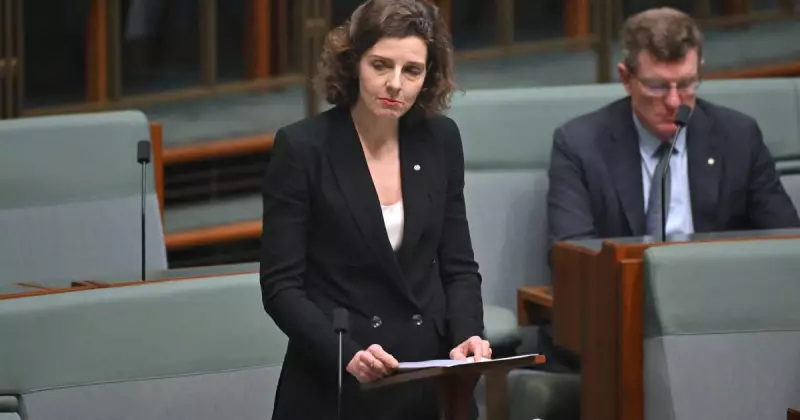
In a parliamentary session reluctantly recalled more than a month after the attack, independent member for Wentworth Allegra Spender emerged as one of the few voices attempting to elevate the discussion. Speaking during a condolence motion on Monday, January 19, 2026, Spender urged Australia to be both "strong and soft."
"Strong in confronting the hate that drove the attack ... and soft so that we do not lose our common humanity in our strength," she told Parliament. Her call for curiosity over suspicion in the face of difference was a courageous stance in what Kenny labels a "binary atmosphere of intolerant absolutes."
Political Fallout and Shifting Polls
The failure of major party politicians to act in unison has not gone unnoticed by the public. New polling data reveals a significant political cost. According to the latest Newspoll, Labor's primary vote support has slumped to 32 per cent. Furthermore, Prime Minister Anthony Albanese's approval rating has turned sharply negative, plummeting by 28 points from plus-6 to minus-22.
The opposition's strategy has also backfired. The Coalition's decision to rebuff calls for a royal commission and go on the attack – a low point of which saw Foreign Minister Penny Wong accused of being insufficiently emotional – has not delivered the intended boost. The Coalition's primary vote sits at 21 per cent, now trailing Pauline Hanson's One Nation, which has reached a record 22 per cent support.
Other notable contributions in Parliament included a moving speech from former attorney-general and Jewish Labor MP Mark Dreyfus, who painted a poignant picture of the grief experienced by families. However, the debate was not uniformly dignified. Jewish Sydney MP Julian Leeser issued a stark warning that Bondi could represent "the midpoint to a story that gets worse," a message seemingly directed at Coalition colleagues opposing new gun laws and powers to tackle extremist groups.
The overall picture is one of a political class that has, in Kenny's assessment, shortchanged the nation and breached its promise to serve the community first. The belated condolence proceedings, while producing moments of eloquence, have underscored how much better served the public would have been by a prompt and principled response.