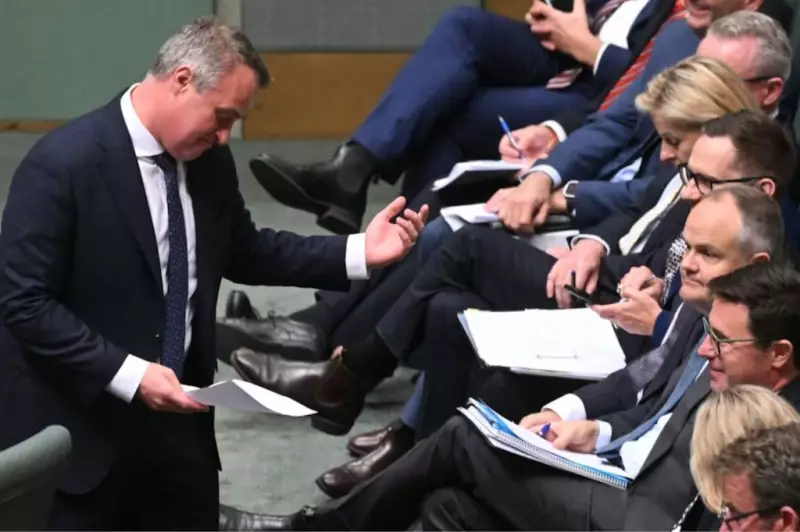
The Australian political landscape is bracing for a potential showdown over workplace laws, with the federal Opposition facing a critical strategic choice. The Liberal-National Coalition must decide whether to mount a significant fight against the Albanese government's industrial relations agenda or adopt a more cautious approach to avoid political fallout.
The Coalition's Strategic Dilemma
Following the 2022 federal election defeat, the Coalition's internal review highlighted the need to rebuild connections with working Australians, particularly in outer suburban and regional electorates. This has created a complex balancing act for Opposition Leader Peter Dutton and his frontbench. On one hand, there is a traditional base expecting strong opposition to union-backed workplace changes. On the other, there is a clear electoral imperative to avoid being painted as anti-worker, a label that has proven damaging in recent campaigns.
The government's legislative agenda, including moves on same job, same pay arrangements for labour hire workers and new definitions of employment, presents a direct challenge. The business community is urging a firm resistance, arguing the changes will stifle productivity and flexibility. However, political strategists within the Liberal Party are wary. A full-throated campaign against the reforms could inadvertently validate Labor's narrative that the Coalition is out of touch with the cost-of-living pressures facing ordinary employees.

Learning from Past Mistakes
The shadow of the WorkChoices policy continues to loom large over the Coalition's deliberations. The enduring electoral damage from that period serves as a potent warning against any perception of being overly aggressive on industrial relations. The current political environment, characterised by stagnant wages and high living costs, makes the terrain even more treacherous. A misstep could cement a negative perception for another electoral cycle.
Instead of blanket opposition, a more nuanced strategy is being considered. This could involve supporting elements of the government's agenda that target genuine exploitation while fiercely contesting provisions seen as overly burdensome for small and medium businesses. The goal is to craft a critique that focuses on economic outcomes—arguing that certain laws will reduce hours, limit opportunities, or increase prices—rather than appearing to defend employer interests against employees.
The Path Forward and Political Calculus
The ultimate decision will hinge on a cold political calculus. Is there more to gain by mobilising the base and business supporters with a hardline stance? Or is the path to victory dependent on winning back "teal" and traditional Labor-leaning seats where economic security is a top-tier issue? The latter likely requires a moderated, pragmatic approach that acknowledges worker concerns while advocating for sensible economic settings.
This does not mean the Opposition will surrender the field. Expect sharp scrutiny of the legislation's detail, highlighting complex compliance costs for small business owners and potential unintended consequences for contractors and gig economy workers. The Coalition's challenge is to prosecute these arguments without allowing the debate to be simplified into a binary of "workers vs. bosses" where they historically lose.
The coming parliamentary battles over industrial relations will be a key test of Peter Dutton's leadership and the Coalition's political rehabilitation. The choice is not simply whether to fight, but how to fight in a way that rebuilds credibility without courting electoral disaster. The outcome will significantly shape the political contest leading into the next federal election.