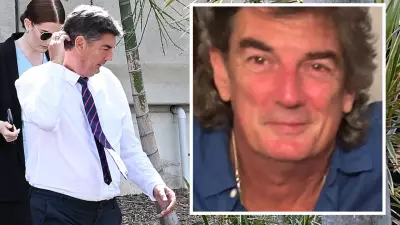
Dr. Margot McNeill, a prominent Canberra-based doctor, has been accused of providing false evidence during an official inquiry conducted by the Australian Capital Territory (ACT) government. The allegations have raised serious concerns about professional conduct and the integrity of medical testimony in legal proceedings.
Details of the Allegations
The accusations centre on statements made by Dr. McNeill during the ACT inquiry, which was established to examine specific matters related to healthcare and medical practices. According to sources close to the investigation, inconsistencies have been identified between Dr. McNeill's sworn testimony and documentary evidence gathered by the inquiry panel. The alleged falsehoods are said to pertain to key aspects of her professional dealings and patient interactions.
Inquiry Findings and Reactions
The inquiry has reportedly referred the matter to relevant authorities, including the ACT Health Services Commissioner and potentially the police, for further scrutiny. Legal experts have noted that providing false evidence under oath is a serious offence, potentially amounting to perjury, which carries significant penalties under Australian law. The ACT government has declined to comment on the specifics of the case, citing ongoing investigations, but has emphasised its commitment to transparency and accountability in public inquiries.

Dr. McNeill, a well-known figure in the local medical community, has not yet publicly responded to the allegations. However, her legal representatives have indicated that they will vigorously defend her position, arguing that any discrepancies were unintentional and do not reflect a deliberate attempt to mislead the inquiry. The Australian Medical Association (AMA) has also weighed in, calling for a thorough and fair process to ensure that the truth is established without prejudgment.
Broader Implications
This case has sparked wider discussions about the reliability of expert testimony in official inquiries and the need for robust mechanisms to verify statements made under oath. Some commentators have suggested that the incident could undermine public trust in the healthcare system if not handled properly. Others have pointed out that the allegations, if proven, could have serious repercussions for Dr. McNeill's medical career, including potential deregistration.
The ACT inquiry is expected to continue its work, with further hearings scheduled in the coming weeks. Meanwhile, the medical fraternity and the public await the outcome of the investigation to determine whether Dr. McNeill's conduct warrants disciplinary action or legal proceedings. The case serves as a reminder of the high standards expected of professionals when participating in official processes.