Senator Pocock's Ambitious Free Public Transport Plan Under Scrutiny
Senator David Pocock has unveiled a bold proposal to make public transport free across Canberra, a move hailed by advocates as a transformative step toward sustainable urban mobility. However, the plan is facing significant criticism over a fundamental flaw: the absence of a clear and sustainable funding model.
Vision for a Greener and More Accessible City
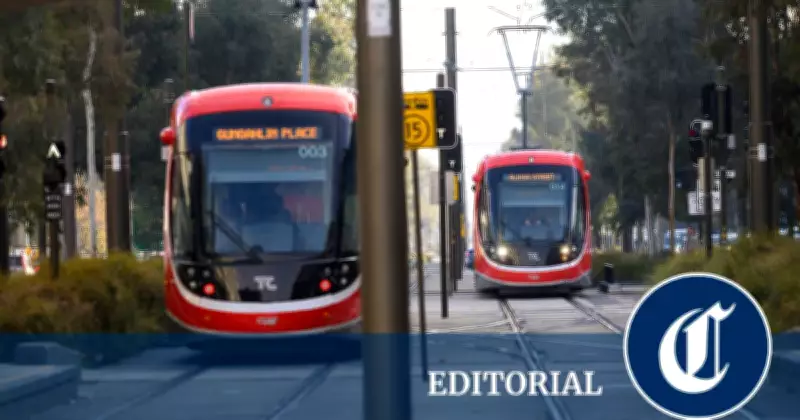
Pocock's initiative aims to eliminate fares on all buses and light rail services in the Australian Capital Territory, with the goal of reducing traffic congestion, lowering carbon emissions, and improving accessibility for residents. Supporters argue that free public transport could encourage a shift away from private car use, aligning with broader environmental and social equity objectives. The senator has emphasized the potential benefits for low-income households and students, who often bear a disproportionate burden of transport costs.
Funding Gap Raises Concerns Among Experts
Despite the enthusiasm, experts and policymakers have pointed out a critical weakness in the proposal. Currently, public transport in Canberra relies heavily on fare revenue to cover operational expenses, and Pocock's plan does not detail how this shortfall would be addressed. Critics warn that without a robust funding strategy, such as increased government subsidies, new taxes, or reallocation of existing budgets, the initiative could strain public finances or lead to service cuts. This has sparked a broader debate on the feasibility of implementing free transport systems in Australian cities, where similar schemes elsewhere have faced challenges in maintaining quality and coverage.

Broader Implications for Urban Policy
The discussion around Pocock's plan highlights ongoing tensions in urban policy between aspirational goals and practical realities. While free public transport is seen as a progressive measure, its success depends on careful planning and long-term financial sustainability. Stakeholders are calling for more detailed cost-benefit analyses and community consultations to ensure any implementation is effective and equitable. As Canberra grapples with growth and environmental pressures, this proposal underscores the need for innovative solutions that balance vision with fiscal responsibility.