ACT Senator David Pocock Leads Federal Push for Free Public Transport
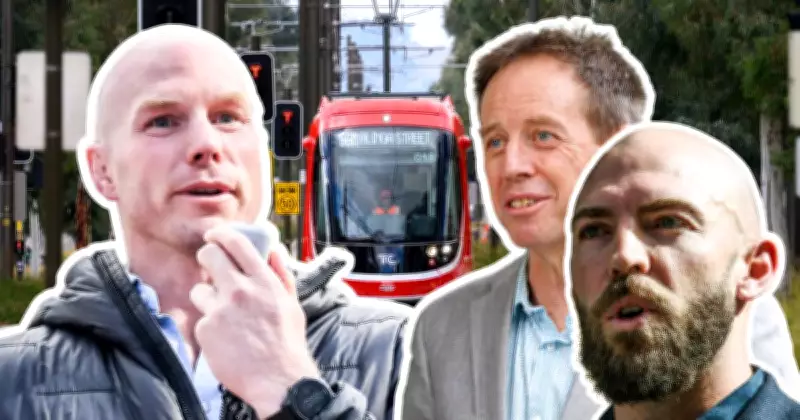
In a bold move to transform Australia's transportation landscape, ACT Senator David Pocock is championing a federal initiative to make public transport free across the nation. This proposal, which has gained significant attention in political circles, aims to address pressing issues such as cost-of-living pressures, urban congestion, and environmental sustainability.
Key Objectives of the Free Transport Proposal
Senator Pocock's push for free public transport is driven by several core objectives designed to benefit Australians nationwide. By eliminating fares, the initiative seeks to provide immediate financial relief to commuters, particularly in major cities where transport costs can be a substantial burden on household budgets. Additionally, it aims to reduce traffic congestion by incentivizing more people to use buses, trains, and trams, thereby improving urban mobility and decreasing travel times.
From an environmental perspective, the proposal aligns with broader climate action goals by promoting a shift away from private car use, which could lead to a significant reduction in carbon emissions. Senator Pocock has emphasized that this move is not just about convenience but about creating a more equitable and sustainable future for all Australians.

Political and Public Response
The initiative has sparked a mix of support and skepticism within federal politics. Supporters argue that free public transport could serve as a powerful tool for social equity, making it easier for low-income families, students, and seniors to access essential services and employment opportunities. They point to successful pilot programs in other countries as evidence of its feasibility and positive impact.
However, critics have raised concerns about the financial implications, questioning how the federal government would fund such a scheme without increasing taxes or reallocating resources from other critical areas. Some also doubt the logistical challenges of implementing a nationwide system, given the varying infrastructure and needs across states and territories.
Despite these debates, Senator Pocock remains optimistic, citing growing public interest and the potential for bipartisan collaboration. He has called for detailed studies and consultations to explore funding models, such as reallocating existing transport subsidies or introducing new revenue streams, to ensure the proposal's viability.
Potential Impacts on Communities and Economy
If implemented, free public transport could have far-reaching effects on Australian society. In urban areas, it might lead to a noticeable decrease in car dependency, reducing air pollution and enhancing public health outcomes. For regional and rural communities, improved access to transport could boost economic activity by connecting people to jobs, education, and healthcare services.
Economically, the initiative could stimulate growth by increasing consumer spending, as households save on transport costs. It might also support tourism by making it easier for visitors to explore cities without the hassle of parking or rental fees. However, experts caution that careful planning is needed to avoid overcrowding and maintain service quality, especially during peak hours.
Looking Ahead: Next Steps and Challenges
Senator Pocock's push is still in its early stages, with the next steps involving further advocacy in federal parliament and engagement with stakeholders, including state governments, transport authorities, and community groups. Key challenges include securing federal funding, coordinating with state-level policies, and addressing technical issues like fare collection systems and infrastructure upgrades.
As the debate continues, this initiative highlights a growing trend towards innovative solutions in public policy. Whether it gains traction or faces obstacles, Senator Pocock's leadership on this issue underscores the importance of rethinking traditional approaches to transportation in a rapidly changing world.