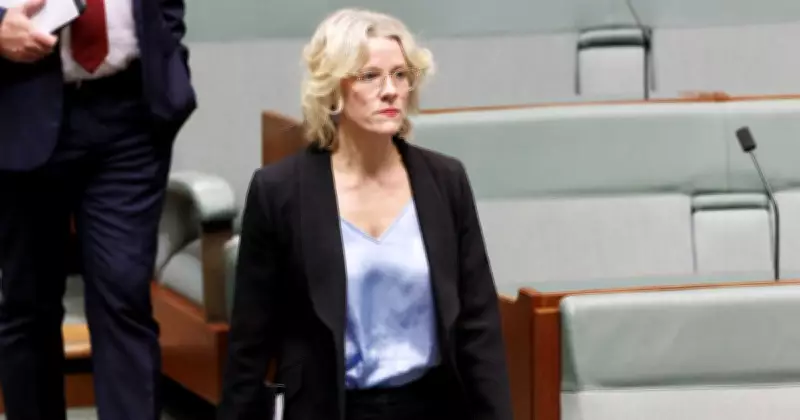
Clare O'Neil Stands Firm on 12 Million Housing Target
Home Affairs Minister Clare O'Neil has robustly defended the federal government's ambitious target to build 12 million new homes, describing it as a critical and necessary goal to address Australia's housing crisis. This comes amid mounting criticism from opposition parties and industry experts who argue that the target is unrealistic and unachievable given current economic and logistical constraints.
Government's Justification for the Target
In a recent statement, O'Neil emphasized that the 12 million housing target is not just a number but a strategic commitment to tackle the severe shortage of affordable and available homes across the nation. She highlighted that the government is implementing a multi-faceted approach, including reforms to planning laws, increased funding for social housing, and incentives for private sector investment. O'Neil asserted that without such bold measures, the housing affordability crisis would only worsen, impacting millions of Australians struggling to find secure and affordable accommodation.
O'Neil stated, "This target is about setting a clear direction and mobilizing all available resources to meet the housing needs of our growing population. We cannot afford to shy away from ambitious goals when the stakes are so high for families and communities."

Criticism and Challenges to the Plan
However, the target has faced significant backlash. Critics, including opposition leaders and housing industry analysts, point to several obstacles that could hinder its achievement. These include rising construction costs, labor shortages in the building sector, and bureaucratic delays in approval processes. Some experts estimate that meeting the 12 million target would require an unprecedented surge in construction activity, potentially straining resources and leading to quality compromises.
Additionally, there are concerns about the geographical distribution of new homes, with fears that urban areas might be overdeveloped while regional communities remain underserved. The opposition has labeled the target as a "political stunt" that lacks a concrete implementation plan, calling for more realistic and phased objectives.
Broader Implications for Housing Policy
Despite the criticism, O'Neil's defense underscores the government's broader policy agenda to reform housing in Australia. This target is part of a larger strategy that includes:
- Enhancing first-home buyer schemes to improve accessibility.
- Boosting investment in infrastructure to support new housing developments.
- Promoting sustainable and energy-efficient building practices to align with environmental goals.
The debate over the 12 million housing target reflects deeper tensions in Australian politics regarding how best to address housing affordability. As population growth continues to outpace housing supply, the government faces pressure to deliver tangible results, making this a pivotal issue in upcoming policy discussions and potential electoral campaigns.
In conclusion, while the achievability of the 12 million housing target remains contentious, Clare O'Neil's steadfast defense highlights the government's commitment to ambitious housing reform. The success of this initiative will depend on effective collaboration between federal, state, and local governments, as well as the private sector, to overcome the significant challenges ahead.