Parliamentary Services has firmly rejected claims that technical failures caused Opposition Senators to miss critical votes this week, stating the Senate notification system was functioning correctly throughout the session. This declaration casts significant doubt on explanations provided by Liberal Senators Jacinta Nampijinpa Price and Michaela Cash, who both abstained from voting on legislation related to the Bondi terror attack.
Senators Blame System for Missed Votes
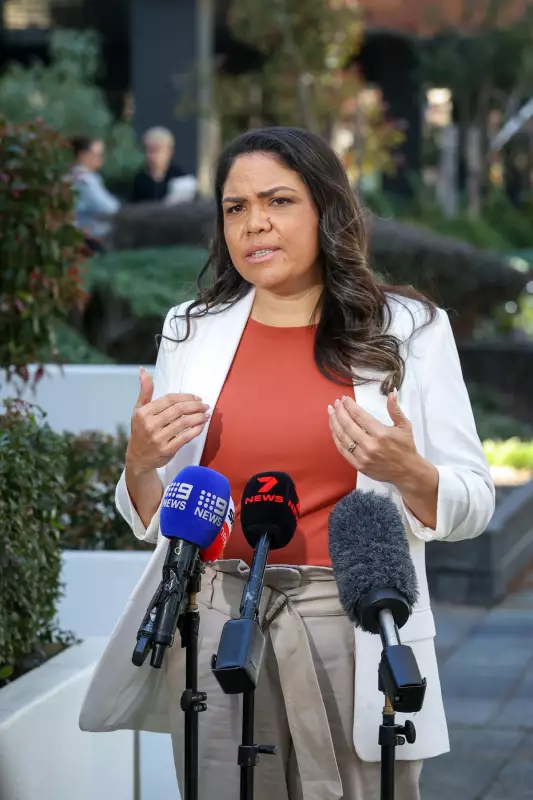
Northern Territory Senator Jacinta Nampijinpa Price expressed deep frustration, claiming she was prepared to vote against the government's hate crimes bill but was prevented by what she described as "an issue with the system upon which we rely." Senator Price stated she had been waiting in the alcove outside the Senate chamber, intending to vote 'no' on the final division, but missed the opportunity due to the alleged system failure.
"I was deeply disappointed to miss the opportunity to vote against the bill," Senator Price told reporters. "It was a miserable end to two days of dealing with Labor's rushed and reckless legislation."

Cash Also Claims Unintentional Abstention
Opposition Senate Leader Michaela Cash similarly asserted she did not intentionally abstain from the vote, despite her party having negotiated with Prime Minister Anthony Albanese to support the bill's passage. Senator Cash emphasized that her support for the legislation had been clearly articulated in her chamber speech earlier in the proceedings.
"I did not intentionally abstain from voting on the legislation," Senator Cash confirmed. "My support for the legislation was made clear in my speech to the chamber."
Department Investigation Finds No Issues
The Department of Parliamentary Services conducted a thorough review following the senators' complaints, examining audit logs and performing complete system checks. A departmental spokeswoman confirmed that no technical problems were identified with any notification systems within Parliament House.
"DPS has not received any reports of issues relating to any of the systems which provide notification to parliamentarians within Australian Parliament House," the spokeswoman stated. "DPS has reviewed audit logs and has undertaken a full system check and no issues with the system were identified."
Parliamentary records indicate the division was called between 10:58 PM and 11:00 PM, with Senate President Sue Lines allowing the traditional bells to ring for one full minute to alert senators of the impending vote.
Labor Questions Personal Responsibility
Government Senator Tim Ayres questioned why the Opposition senators hadn't taken greater personal responsibility to ensure their presence in the chamber at the crucial moment. He noted that senators from all other political parties managed to attend the vote successfully.
"The fact that senators from every other party managed to be in the right place at the right time shows that those who didn't attend have only themselves — not the 'alert systems' on which they rely — to blame," Senator Ayres remarked.
He further emphasized the government's focus on substantive policy work, stating: "The Albanese Labor Government has been hard at work over the course of the summer to give Australia purposeful national leadership in response to the worst terrorist attack seen on home soil."
Coalition Fractures Over Response Legislation
The voting controversy has exposed significant fractures within the Coalition regarding Labor's legislative response to the December 14 Bondi terror attack. While Opposition Leader Sussan Ley's team had negotiated with the Prime Minister to support the overall bill, several Coalition members across both parliamentary chambers either voted against or abstained from the hate crimes portion of the legislation.
The disagreement triggered immediate consequences within the National Party, with frontbenchers Bridget McKenzie, Ross Cadell, and Susan McDonald all resigning their positions on Wednesday after breaching shadow cabinet solidarity by opposing the hate bill. Their leader David Littleproud subsequently presented Ms. Ley with an ultimatum to either reinstate the three Nationals or face the departure of his entire team.

When Ms. Ley refused to comply with the demand, the Nationals declared they would separate from their long-standing coalition partnership with the Liberals, marking a significant political realignment during a period of national security legislation debate.