Wollongong City Council has pledged to enhance transparency regarding the removal of whale carcasses from local beaches, following recent incidents that drew public concern. The council will now implement a formal protocol to ensure residents are promptly informed and consulted on future whale removal operations.
New Protocol for Whale Carcass Removals
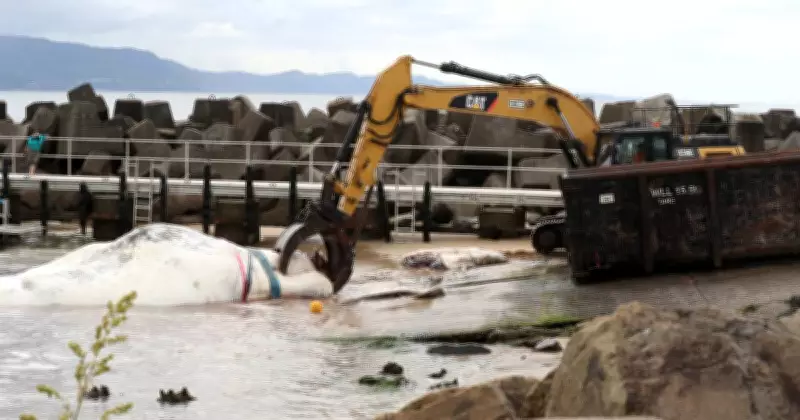
The decision comes after the stranding and subsequent removal of a humpback whale at Sandon Point in July, which sparked criticism over the lack of communication and the handling process. Council staff have since developed a new framework that prioritizes public notification, environmental considerations, and efficient removal strategies.
Key Elements of the Protocol
The protocol outlines several key steps: immediate notification to nearby residents and businesses via email and SMS alerts, regular updates on social media and the council website, and a dedicated hotline for inquiries. It also includes assessment criteria for determining the removal method, such as burial, towing out to sea, or disposal at a landfill, based on factors like location, size, and public safety.

Community Input and Environmental Impact
The council emphasized the importance of community input in the decision-making process. A consultation period will be held for major removals, allowing residents to voice concerns and suggestions. Environmental impact assessments will also be conducted to minimize disruption to local ecosystems, particularly in sensitive dune and marine areas.
Councillor John Dorahy stated, “We recognize that the previous handling of whale removals did not meet community expectations. This new protocol ensures that residents are not left in the dark and that their voices are heard.”
Training and Resources
Council staff will undergo specialized training to handle whale carcasses safely and efficiently. Resources have been allocated for equipment such as heavy machinery and protective gear, as well as partnerships with marine experts and wildlife organizations to advise on best practices.
Future Incidents
The protocol will be reviewed annually and updated based on lessons learned from each incident. The council aims to set a benchmark for other coastal councils in Australia, promoting a standard of transparency and community engagement in wildlife management.
The move has been welcomed by local environmental groups, who had previously criticized the council’s lack of communication. “This is a positive step forward,” said a spokesperson for the Illawarra Wildlife Rescue. “We hope to see similar protocols adopted across the region.”