Upper Hunter Council Rejects Merger Motion with Muswellbrook Council
In a decisive move, Upper Hunter Shire Council has voted to reject a motion that proposed exploring a potential merger with Muswellbrook Shire Council. The decision, made during a recent council meeting, highlights ongoing tensions and debates surrounding local government amalgamations in regional New South Wales.
Council Vote and Rationale
The motion, which was put forward by a councillor, sought to initiate discussions and investigations into the feasibility of merging the two councils. However, it was met with strong opposition from the majority of Upper Hunter councillors. Key concerns raised during the debate included fears over losing local identity, potential disruptions to community services, and uncertainties about governance structures in a merged entity.
Councillors argued that Upper Hunter Shire has unique needs and characteristics that might not align with those of Muswellbrook Shire. They emphasized the importance of maintaining local decision-making and preserving the distinct cultural and economic fabric of their communities.

Background and Context
This rejection comes amid broader discussions about council mergers in New South Wales, driven by state government initiatives aimed at improving efficiency and reducing costs in local governance. In recent years, several councils across the state have undergone amalgamations, often sparking controversy and resistance from residents and local leaders.
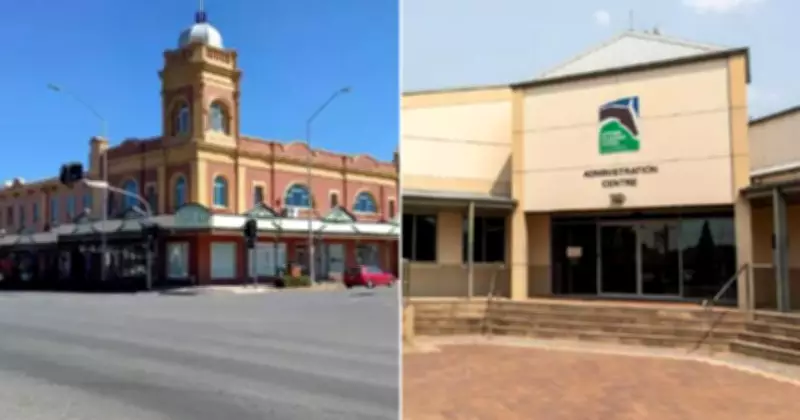
Upper Hunter Shire Council, located in the Hunter Region, has a population of approximately 14,000 and covers a vast area known for its agricultural and mining activities. Muswellbrook Shire Council, neighboring to the south, has a similar economic base but differs in demographic and geographic aspects.
Implications and Future Outlook
The rejection of the merger motion means that Upper Hunter Shire Council will continue to operate independently for the foreseeable future. This decision is likely to be welcomed by many residents who value local representation and autonomy. However, it also raises questions about how the council will address challenges such as infrastructure funding, service delivery, and regional collaboration without considering consolidation options.
Experts suggest that while mergers can offer economies of scale, they must be carefully planned to avoid negative impacts on community cohesion. The Upper Hunter Council's stance reflects a cautious approach, prioritizing local interests over potential administrative benefits.
Moving forward, the council may explore alternative strategies for cooperation with Muswellbrook and other neighboring councils, such as shared services agreements or joint projects, to achieve efficiencies without full amalgamation.