Teenager's Insight Exposes ACT Planning Shortcomings
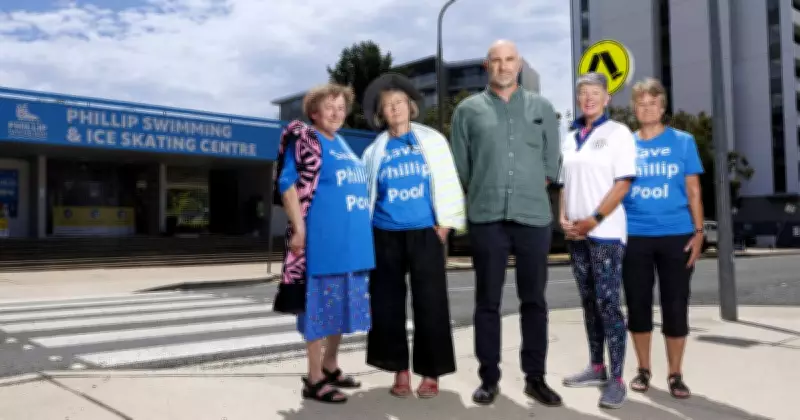
A Canberra teenager has demonstrated a more profound understanding of urban vitality than the territory's entire political and bureaucratic establishment combined. Amelia Tattam, highlighted in a recent feature, articulates that great cities require more than just infrastructure and housing—they need communal spaces where residents can gather, socialise, and exercise together.
Public Spaces Under Threat from Commercial Interests
Instead of preserving recreational areas wisely designated decades ago, authorities appear eager to surrender them to developers for minimal financial returns. This approach not only diminishes city amenities but also represents poor fiscal management. As Tattam emphasises, outdoor public recreation spaces are crucial for mental and physical wellbeing, a sentiment echoed by Ross McLeod of Aranda.
Infrastructure Planning Lacks Coherence
The Barr government's commitment to funding a 50-metre pool in Woden follows extensive lobbying, yet it raises questions about broader community sport infrastructure planning. Where is the comprehensive strategy that incorporates future upgrades, including a new diving pool? Such planning is essential for land access and budget allocations.

Greg Blood of Florey notes that a community sport infrastructure plan developed years ago would have included timelines and costs for the Woden pool. He criticises the government for potentially allowing political objectives to override well-researched community plans.
Questionable Demolition Decisions
Canberra possesses both a functional pool and convention centre near the city centre, which might benefit from maintenance rather than demolition. The ACT government's proposal to replace the pool with a new convention centre and relocate the pool to a less convenient location seems financially irresponsible given the territory's debt and deficit.
Hugh Dakin of Griffith questions who benefits from such projects, suggesting construction companies, unions, and the ACT Labor Party might gain, while taxpayers bear the cost.
Community Concerns Extend Beyond Infrastructure
Letters also address broader issues, including the divisiveness surrounding the Israeli President's visit, with Frank Selch of Farrer arguing it should be an opportunity for healing rather than division. Meanwhile, Bob Brown's criticism of Greens opportunism in the ETS debate is countered by Rohan Goyne of Evatt, who highlights the party's role in climate policy failures.
Safety and Sensitivity in Public Spaces
Allan Williams AM of Forrest reports dangerous behaviour by youths on electric bikes and scooters in Manuka, urging authorities to enforce legislation before tragedies occur. C. Williams of Forrest criticises the Albanese government's invitation to Israel's President as insensitive to Arab and Muslim communities.
Creative Solutions and Fiscal Responsibility
Ronald Elliott of Sandringham, Victoria, suggests repurposing old firearms rather than destroying them, while Amy Blain of Ainslie proposes naming climate disasters after major polluters to highlight their responsibility. Maria Greene of Curtin offers practical suggestions for funding community pools, including abandoning costly projects like tram extensions and new convention centres.
To the Point: Concise Community Voices
Brief letters highlight additional concerns: Yvonne Francis laments koalas suffering in fires, Marion Connaughton doubts government promises on pool plans, and David Wade comments on US defence strategy. Rod Smith criticises Albanese's policies, George Beaton humorously notes AI accuracy, and Roger Terry challenges hyphenated nationality debates. Felicity Chivas expresses concern about lobby influence, Trevor Fowler uses sarcasm on media reporting, and Keith Simpson questions Scott Morrison's translation demands.