Wollongong Councillor Advocates for Shark Bite Kits at All Local Beaches
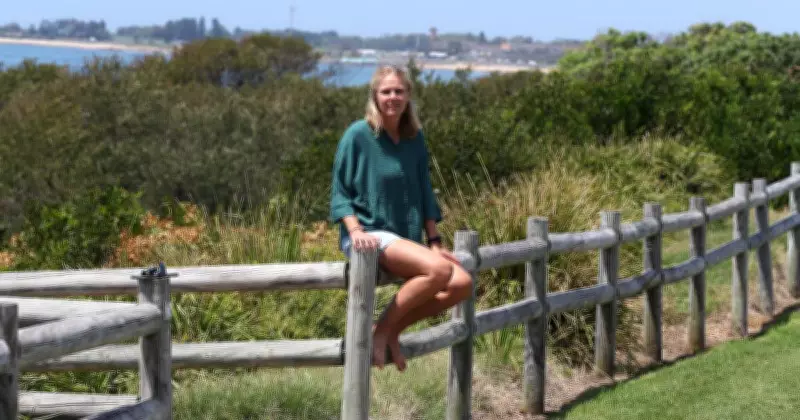
Wollongong City Councillor Jess Whittaker is spearheading a crucial initiative to enhance beach safety across the Illawarra region. She is proposing the installation of community shark bite kits at all local beaches, a measure she believes could be lifesaving, particularly at more remote and isolated coastal spots.
Motion to Council for Safety Report
Cr Whittaker will formally table a motion at the upcoming Wollongong City Council meeting, scheduled for Monday. This motion specifically requests a detailed report on the costs associated with installing these essential kits at every beach within the Wollongong local government area. The move comes as part of a broader effort to bolster emergency preparedness along the coastline.
The motion also includes a call for the council to express formal interest in the New South Wales Government's expanded Shark Smart Program. This state initiative is set to fund approximately 150 Community Shark Bite Kits for beaches located outside metropolitan areas, providing a significant opportunity for regional councils like Wollongong to access vital resources.

Contents and Purpose of the Kits
Each community shark bite kit is designed to provide immediate trauma response capabilities. The kits typically contain a tourniquet, various bandages and dressings, a thermal blanket, and clear, simple first aid instructions. These items are stored within a clearly labelled PVC pipe installed at beach locations.
The primary aim of these kits is for use during hours when beaches are not patrolled by surf lifesavers. This addresses a critical gap in emergency response, especially during early mornings, late afternoons, or at beaches that do not have regular patrols.
Addressing Isolation and Response Times
Cr Whittaker emphasised the unique challenges posed by the Illawarra coastline. "We have a lot of surf breaks that are a little bit isolated," she explained. "They're unpatrolled beaches, and there's not always a lot of people around. Additionally, our long, thin stretch of coast means that on a very busy day, it might take emergency services some time to reach places like Wombarra or Stanwell Park."
She firmly believes that having these kits readily available to the community could make a substantial difference in the outcome of a shark incident. "Just having those kits available for the community could make a real difference if there was an incident," Cr Whittaker stated, highlighting the importance of immediate, on-scene intervention.
Prioritisation and Community Advocacy
While the ultimate goal is to have a kit at every Wollongong beach, Cr Whittaker hopes that popular surf breaks and more isolated spots will be prioritised in the initial rollout. Her decision to bring this motion forward was influenced by recent shark attacks, which underscored the timeliness and necessity of such measures.
"With the recent attacks, I just thought it was timely to get a wriggle on and put these kits on the beaches," she said. "The best thing we can do if there is a shark attack is to have a very quick trauma response and give people the tools on scene that they need to deal with that."
Surfer Support and Existing Models
The push for these kits has received strong support from local surfers, including Port Kembla surfer Andrew Kaineder, who has been actively lobbying the council for their installation. Mr Kaineder pointed out that similar kits are already successfully deployed at numerous beaches on the NSW North Coast.
He highlighted a specific safety gap that the kits would address. "If you're surfing at first light, the beaches aren't patrolled yet," Mr Kaineder noted. "Each surf lifesaving club has access to shark bite and trauma kits, but they're not available to the public. So, if I got bitten at North Port Beach, for example, in the morning before the flags are set up, I've got nothing there to save my life."

This community-driven advocacy underscores the practical need for accessible emergency equipment, ensuring that all beachgoers, regardless of the time of day or location, have the potential means to respond to a critical situation while awaiting professional medical assistance.