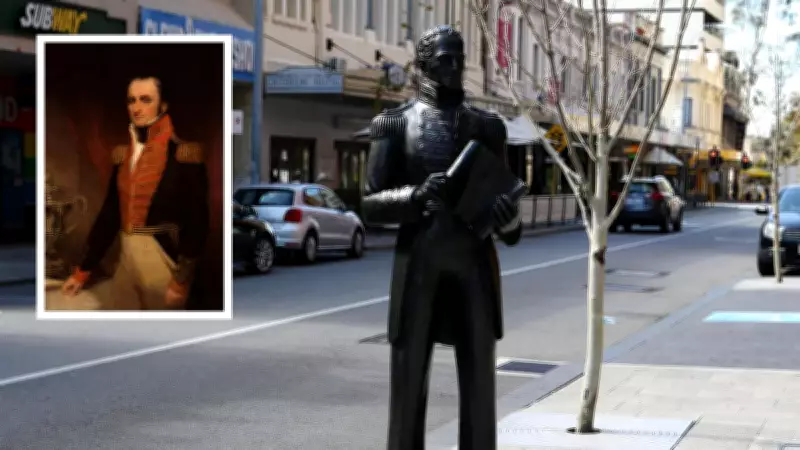
The City of Perth has made a definitive decision to shelve its controversial plan to restore a statue of James Stirling, Western Australia's inaugural governor, within the central business district. This move marks a significant shift in the council's approach to public monuments and historical recognition.
Historical Context and Contemporary Debate
James Stirling served as the first governor of Western Australia from 1829 to 1839, playing a pivotal role in the state's early colonial development. However, his legacy has become increasingly contentious in recent years, with Indigenous groups and community activists highlighting his involvement in colonial policies that led to dispossession and violence against Aboriginal peoples.
Council's Decision-Making Process
The proposal to reinstate Stirling's statue had been under consideration for several months, sparking heated public debate. Council members cited evolving community values and a desire for more inclusive historical representation as key factors in their ultimate decision to abandon the project.

This development reflects broader national conversations about how Australia commemorates its colonial past, particularly figures whose actions have complex and painful legacies for First Nations communities.
Implications for Perth's Public Spaces
The shelving of the Stirling statue plan opens new discussions about alternative ways to acknowledge Western Australia's history in Perth's CBD. Some council members have suggested exploring memorials that recognize multiple perspectives or honor Indigenous leaders and cultures.
Urban planners note that public art and monuments significantly shape civic identity and cultural narratives. The decision may influence future proposals for historical markers throughout the city.
Community Reactions and Next Steps
Reactions to the council's decision have been mixed, with some residents applauding the move as progressive and others expressing disappointment about what they see as erasure of historical figures. The City of Perth has indicated it will continue consultations with community stakeholders, including Aboriginal elders, to develop more inclusive approaches to public commemoration.
This case demonstrates how Australian cities are grappling with complex heritage issues, balancing historical preservation with contemporary values of reconciliation and social justice.