Residents in the Newcastle and Lake Macquarie region are calling for a fundamental rethink of public toilet design and maintenance, highlighting two critical issues often overlooked: the provision of soap and proper facilities for an ageing population and people with disabilities.
The Missing Soap: A Basic Hygiene Failure
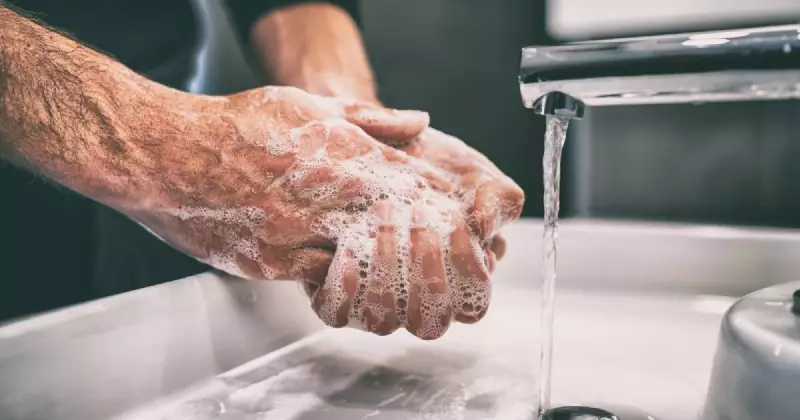
The simple bar of soap has become a point of contention in public conveniences. A local resident, Wendy Webb of Warners Bay, revealed that she raised the lack of soap in Lake Macquarie City Council toilets years ago and was told vandalism was the reason for its absence.
This explanation has been met with scepticism, given that many other Australian and international councils successfully manage to provide this basic hygiene product. The COVID-19 pandemic underscored the critical importance of hand hygiene, making the ongoing absence of soap in many facilities seem like a significant public health oversight.

Webb has also criticised the City of Newcastle for similar failings, urging them to include soap provision in their current review of public toilets. The common alternative—expecting the public to carry personal wipes—creates another problem: incorrect disposal in toilet bowls due to a lack of designated bins.
Beyond Baby Change: Facilities for an Ageing Community
The second major issue centres on accessibility and dignity for a diverse range of users. Australia's ageing population includes many people with increased mobility thanks to carers, but they require suitable private spaces and disposal options not currently available.
This group encompasses individuals of all genders with colostomies, and those managing temporary or permanent urinary or faecal incontinence. Current facilities are ill-equipped for their needs. Bins for period products are often only found in female toilets and are not always suitable for other sanitary products.
Meanwhile, nappy bins in baby change rooms fill quickly and are not accessible or appropriate for adults without children. This leaves many with no hygienic way to dispose of essential medical products in public spaces.
A Call for Inclusive Design
The core message from residents is a plea for inclusivity. As councils like Newcastle undertake reviews of public infrastructure, there is a strong demand to consider the full spectrum of community needs.
Providing soap is a basic measure to uphold public health standards, while redesigning spaces and disposal options is crucial for ensuring dignity and accessibility for older Australians and those living with disabilities. These changes, advocates argue, are not just desirable but desperately needed for a functioning, compassionate community.