Hunter Council Faces Tough Choices Over Cash Flow Concerns
A Hunter region council is grappling with significant financial challenges, prompting considerations of drastic measures such as staff redundancies and service reductions. The Upper Hunter Shire Council (UHSC) finds itself in a precarious position after breaching funding regulations, leading to a potential cash flow crisis that could impact community services.
Funding Breach Triggers Financial Review
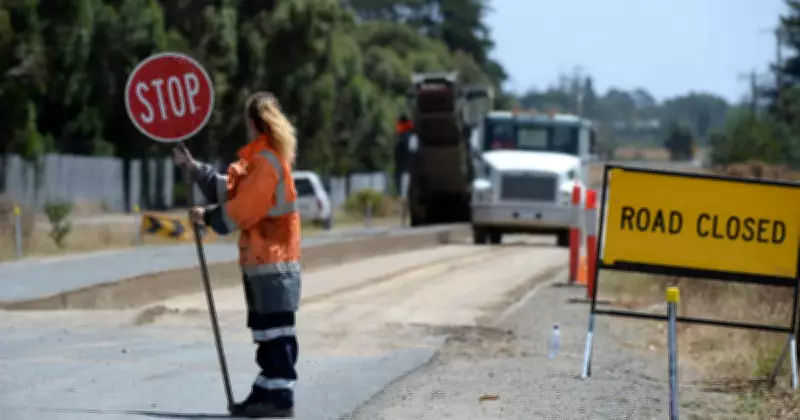
The council's difficulties stem from a breach of the Local Government Act during the 2024-25 financial year. UHSC utilised restricted funding earmarked for specific projects to pay for government-funded roadworks before grant money was released. Although no fines were imposed for this technical breach, the council anticipates a second violation within six months unless immediate action is taken.
A recent NSW Auditor-General report highlighted the council's reliance on restricted funds due to insufficient cash flow. At times, UHSC had inadequate unrestricted cash to cover general expenses, raising concerns about its financial sustainability.

Options on the Table Include Staff and Service Cuts
In leaked correspondence, UHSC General Manager Greg McDonald outlined several strategies to address the looming financial shortfall. One proposal involves significant staff reductions, which could save approximately $3 million annually from a $20 million wage bill. However, McDonald acknowledged this option would likely face community opposition.
Service reductions are also under consideration, potentially affecting libraries, parks, gardens, and other community facilities. Another alternative involves halting emergency works, though this carries obvious risks for public safety and infrastructure maintenance.
Loan Consideration and Ministerial Intervention
The council is evaluating a $5 million loan to bolster cash reserves, despite concerns about worsening debt ratios and annual repayments reaching $200,000. Additionally, UHSC hopes to secure ministerial approval to use restricted grant funding while addressing underlying cash flow issues, a process that could take 12 to 24 months.
McDonald expressed optimism that Local Government Minister Ron Hoenig might show leniency, citing organisational improvements and a positive trajectory. "We would think that it is reasonable for the minister to provide approval or recognition that technical breaches, highlighted through the use of externally restricted government funding received by council in advance, is acceptable," he wrote.
Broader Financial Context and Regional Concerns
The council's financial struggles occur against a backdrop of projected deficits until 2032, with current debt around $29 million. Last year, UHSC secured a special rate variation allowing for a 10 percent annual increase over three years, resulting in a permanent cumulative rise of 33.1 percent.
An UHSC spokesperson emphasised ongoing efforts to strengthen financial health, including reducing senior management costs, improving asset performance, increasing revenue from facilities like saleyards, and restructuring services for ongoing savings.
The Auditor-General's report also flagged concerns about Cessnock City Council, noting insufficient revenue to cover expenses and declining cash balances. This suggests broader financial pressures within the Hunter region's local government sector.
The Office of Local Government has yet to respond to McDonald's request for ministerial consideration, nor has it addressed media inquiries regarding the situation.