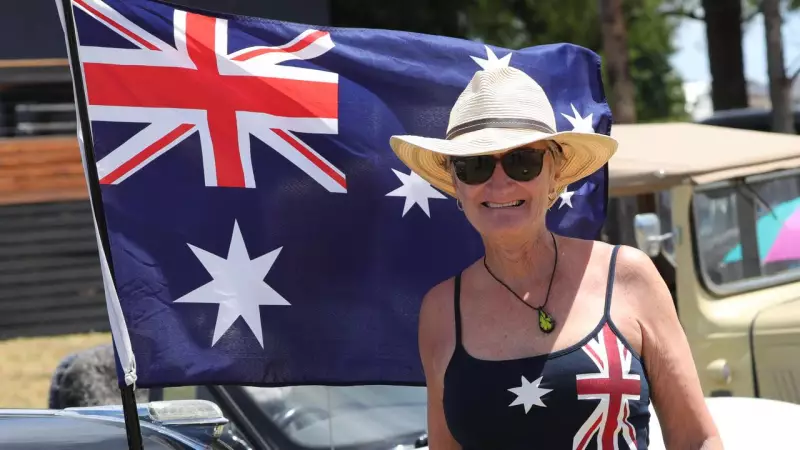
The City of Greater Geelong has officially set sail on a new direction for Australia Day, following the controversial cancellation of its longstanding official event. The council confirmed it will not host a traditional citizenship ceremony or celebratory event on January 26 next year, marking a significant shift in the city's approach to the national day.
A New Direction for the National Day
Mayor Trent Sullivan announced the decision, which was made during a recent council meeting. The move comes after extensive community consultation and internal review. The council's new plan will focus on a series of smaller, community-led activities spread across the municipality in the days leading up to January 26, rather than a single large-scale gathering.
This change ends a tradition that has seen Geelong host a major Australia Day event for many years, typically featuring live music, food stalls, and a naturalisation ceremony for new citizens. The council cited several factors for the change, including evolving community sentiment about the date, the high cost of running the event, and a desire to foster more inclusive and reflective commemorations.

What the New Plans Will Involve
The new model for Australia Day 2025 will decentralise celebrations. Instead of one central event at the Geelong Waterfront or Eastern Park, the council will support and promote activities organised by local community groups in various suburbs and towns within the Greater Geelong region. These are expected to include:
- Neighbourhood barbecues and picnics.
- Small-scale cultural performances and art displays.
- Community discussions and history talks.
- Environmental activities like clean-up days.
The council has allocated a budget to provide grants to community organisations wishing to host these local events. This approach aims to empower residents to shape how they acknowledge the day within their own communities. Citizenship ceremonies for new Australians will still be conducted, but they will be held on alternative dates separate from January 26, a practice an increasing number of councils are adopting.
Community Reaction and Broader Context
The decision has sparked mixed reactions from Geelong residents. Some community members have expressed disappointment at the loss of a long-held tradition, viewing it as a unifying public celebration. Others have welcomed the change, arguing it is a more sensitive and contemporary response to the complex history of January 26, which many Indigenous Australians observe as a day of mourning.
Mayor Trent Sullivan emphasised that the new approach is not about abolishing Australia Day but about reimagining how a modern, diverse Geelong community can recognise it. "This is about listening to our community and finding a way forward that respects different perspectives," he stated. "We believe supporting multiple, local events will provide more meaningful opportunities for connection and reflection than a single, council-run event."
The move by Geelong Council places it among a growing list of local governments across Australia that are changing how they mark January 26. The debate over the date continues at a national level, but local councils are increasingly taking independent action based on feedback from their constituents. The success of Geelong's new community-led model will be closely watched by other municipalities considering similar changes to their Australia Day plans.