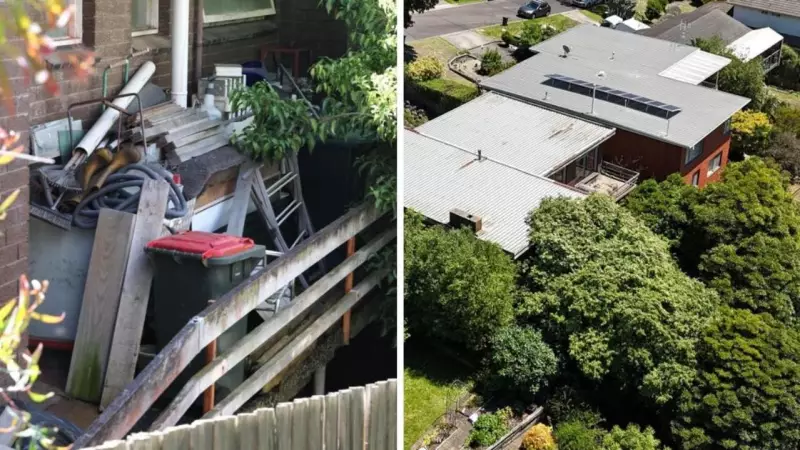
Residents in the Geelong suburb of Highton have reached breaking point, launching a formal petition to the local council over a neighbouring property they describe as a dangerous 'hoarder house'. The issue centres on a home on Reigate Road, which has become so overgrown and filled with accumulated items that locals fear it poses a serious fire risk and attracts vermin.
A Neighbourhood Nuisance and Safety Threat
The situation, which has reportedly been ongoing for several years, came to a head recently. Neighbours argue that the state of the property is more than just an eyesore; it's a genuine safety hazard. The overgrown vegetation and piles of stored materials are considered a significant fire risk, especially during the hotter summer months. Furthermore, the clutter is believed to provide a haven for rats and other pests, which then spread to surrounding homes.
One local resident, who chose to remain anonymous, expressed the community's shared frustration. They stated that numerous complaints have been made to the City of Greater Geelong over an extended period, but perceived inaction has forced them to take a more public stand. The petition, directly addressed to the council, is a formal mechanism to demand the property be cleaned up to meet local laws and community standards.

Council's Response and Legal Framework
The City of Greater Geelong has confirmed it is aware of the concerns regarding the Reigate Road property. A municipal spokesperson explained that council officers have conducted inspections and are actively engaging with the homeowner to achieve a resolution. The process, however, is governed by specific legislation.
The council operates under the Public Health and Wellbeing Act 2008 and the Geelong Planning Scheme when dealing with such matters. These laws require a measured approach, often involving multiple notifications and opportunities for the property owner to comply voluntarily before any enforcement action can be taken. This legal pathway, while necessary, can be time-consuming, adding to neighbours' frustrations.
The petition aims to demonstrate the breadth and seriousness of community concern, potentially urging a faster or more decisive intervention from authorities. It underscores that the issue affects not just one neighbour but the entire street's amenity and safety.
Broader Implications for Community Action
This case in Highton highlights a common urban dilemma where private property rights intersect with community welfare and public safety. While homeowners have certain freedoms, local laws exist to prevent properties from becoming hazards or nuisances that negatively impact others.
The residents' decision to organise a petition is a classic example of grassroots community action. By banding together and formally documenting their grievances, they apply democratic pressure on their elected local government to prioritise the issue. The outcome of this petition will be closely watched, as it could set a precedent for how similar cases are handled in Geelong and beyond.
The community now awaits the next steps from the City of Greater Geelong, hoping their collective voice will finally lead to a clean-up of the Reigate Road property and restore peace of mind to the Highton neighbourhood.