A federal inquiry is now investigating the deepening financial crisis plaguing Australia's local government sector, two decades after Prime Minister Anthony Albanese first acknowledged the poor deal councils received as a minister.
An Unsustainable Financial Burden
The inquiry follows a similar NSW government investigation, chaired by Hunter resident Emily Suvaal MLC, which concluded in May last year. Evidence presented painted a stark picture of financial challenges threatening the sector's long-term viability. Submissions from Hunter councils laid bare their difficult positions.
For rural shire councils, the problem is one of scale. Maintaining essential services like child-care centres, fitness facilities, and local airports is often impossible where small populations fail to attract commercial operators. With stagnant rates revenue due to limited population growth, the outlook is grim.

In the Lower Hunter, the core issue is a severe imbalance. Revenue growth from rates and government grants is being dramatically outstripped by escalating costs, a problem affecting all households and businesses since the COVID-19 pandemic. Council submissions highlight that inflation is particularly acute for building costs, impacting new playgrounds, indoor sports facilities, libraries, and community centres. The future of some traditional facilities, like public swimming pools, is now in doubt.
New Pressures: Tourism and Climate Change
Beyond static populations, councils face soaring demand from tourists. Hunter and Central Coast beach suburbs absorb hundreds of thousands of extra residents each summer, adding significantly to local expenses. While tourism generates substantial revenue for state and federal coffers, the associated costs are borne almost entirely by local councils.
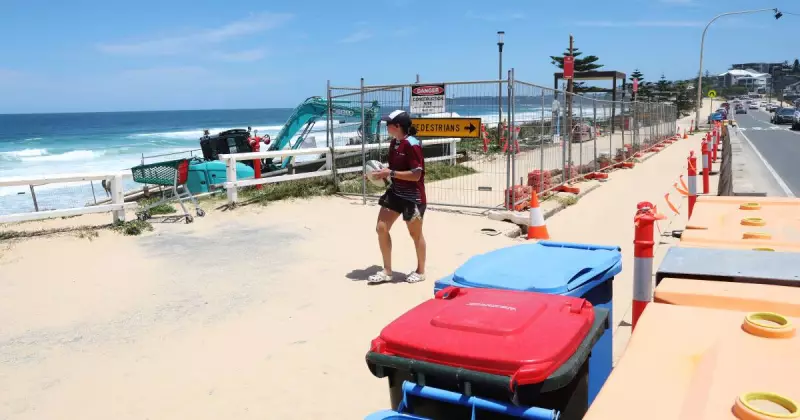
A major new burden comes from climate change. Roads, bridges, beaches, parks, sporting fields, footpaths, and drainage systems are being torn apart by more frequent and severe weather events, necessitating constant, costly repairs. While essential, new engineering standards to withstand these changes further add to infrastructure expenses.
The Hamster Wheel of Cost-Shifting and Community Anger
Councils also point to cost-shifting from the NSW government as a critical concern. This includes levies for state-run emergency services, mandatory pensioner discounts and rebates, and costs from stricter waste disposal and environmental regulations.
The result is a vicious cycle. More people demand more services, but rising costs consume council revenues. Some councils are seeking drastic measures. Muswellbrook Council is pushing for higher rates on mining lands, while Cessnock Council is considering an application to the Independent Pricing and Regulatory Tribunal (IPART) for a 39.9 per cent rates hike for the 2026-27 financial year. Such moves inevitably anger local ratepayers and erode trust in local government.
The 2022 sacking of Central Coast Council for financial management issues—where no fraud or corruption was found—illustrates the extreme pressure. Some argue the council was forced to bend rules to manage a burgeoning capital works program, a consequence of hosting large-scale development without adequate state and federal support.
Calls for a complete overhaul of local government financing are long-standing. Every proposed solution hinges on one core need: adequate financial support from state and federal governments. The system is at breaking point.
The response from the Albanese federal government, mirroring the recent NSW Labor government's approach, has been to establish an inquiry. Councils will dutifully submit their evidence once more. The critical question remains: will this inquiry finally lead to tangible, systemic change, or is it merely another report destined for a shelf?
Phillip O'Neill is a professor of economic geography at Western Sydney University.