Cottesloe Council Removes Norfolk Island Pines from Future Street Plans
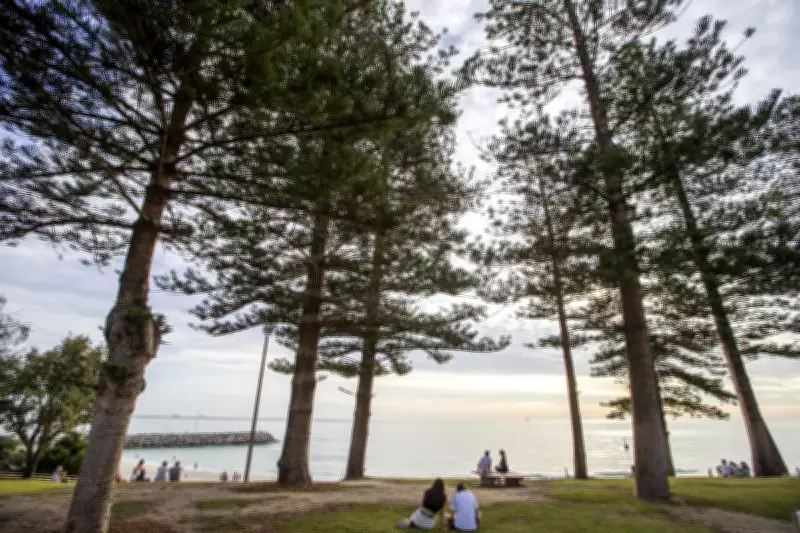
The iconic Norfolk Island pines that have long defined the streetscapes of Cottesloe, a coastal suburb in Western Australia, will no longer be planted in future street projects. In a significant shift toward sustainability, the Cottesloe Council has officially axed these non-native trees from its urban greening strategy, opting instead for more climate-resilient and water-efficient native species.
New Sustainable Approach to Urban Greening
This decision marks a pivotal change in the council's approach to street planning, driven by growing concerns over climate change and water scarcity. Norfolk Island pines, while visually striking and historically popular, are not well-suited to the local environment. They require substantial water resources and are less adaptable to the increasing temperatures and drought conditions expected in the region. By removing them from future plans, the council aims to promote a more sustainable and ecologically appropriate urban landscape.
The new strategy emphasizes the use of native Australian plants, which are better equipped to thrive in Cottesloe's climate with minimal irrigation. This move is part of a broader effort to reduce the suburb's environmental footprint and enhance biodiversity. Council officials have highlighted that this change will not only conserve water but also support local wildlife by providing habitats and food sources that are integral to the ecosystem.

Impact on Local Community and Environment
The removal of Norfolk Island pines from street plans has sparked mixed reactions within the community. Some residents express nostalgia for the trees' distinctive appearance, which has become a hallmark of Cottesloe's identity. However, many others support the council's decision, recognizing the long-term benefits for sustainability and climate resilience. Public consultations revealed a growing awareness of environmental issues, with residents increasingly prioritizing green initiatives that align with global efforts to combat climate change.
From an environmental perspective, this shift is expected to yield significant advantages. Native species typically have deeper root systems that improve soil stability and reduce erosion, particularly in coastal areas like Cottesloe. Additionally, they contribute to carbon sequestration and help mitigate urban heat island effects, making the suburb more livable as temperatures rise. The council plans to implement this new approach gradually, ensuring that existing Norfolk Island pines are maintained while new plantings focus on sustainable alternatives.
Broader Implications for Local Government Policy
This decision by the Cottesloe Council sets a precedent for other local governments in Australia, especially those in coastal regions facing similar environmental challenges. It underscores the importance of adapting urban planning policies to address climate change and resource constraints. By prioritizing native and drought-tolerant species, councils can create more resilient communities that are better prepared for future climatic shifts.
The move also reflects a growing trend in local government toward integrating sustainability into all aspects of urban development. From street trees to building codes, there is an increasing emphasis on practices that reduce environmental impact and promote ecological health. In Cottesloe, this includes ongoing initiatives such as water recycling programs and green infrastructure projects, which complement the new street planting strategy.
As the council moves forward with its sustainable approach, it will continue to engage with the community to ensure that the transition is smooth and inclusive. Educational campaigns and planting events are planned to raise awareness about the benefits of native species and encourage resident participation in greening efforts. Ultimately, this policy change represents a proactive step toward a more sustainable future for Cottesloe, balancing aesthetic considerations with environmental responsibility.