As Australia Day approaches each year, the national celebration is met with a profound sense of mourning and reflection within many First Nations communities across the country. This enduring sentiment highlights the complex and often painful history associated with January 26th, a date that marks the arrival of the First Fleet in 1788 and the beginning of British colonisation.
The Historical Context of Mourning on Australia Day
For Aboriginal and Torres Strait Islander peoples, Australia Day is not merely a public holiday but a reminder of the dispossession, violence, and cultural disruption that followed European settlement. The day symbolises the loss of land, language, and sovereignty, leading many to refer to it as "Invasion Day" or "Survival Day." This perspective is deeply rooted in historical events, including the frontier conflicts, forced removals, and policies that have had lasting impacts on Indigenous communities.
Cultural Practices and Commemorations
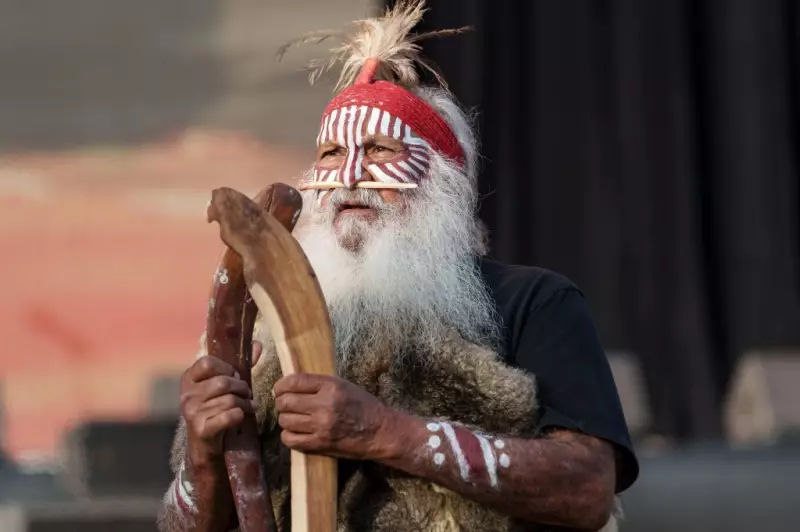
In response, First Nations communities have developed cultural practices to honour their ancestors and assert their resilience. These include ceremonies, vigils, and public gatherings that focus on mourning, healing, and education. Events such as the Yabun Festival in Sydney or the Share the Spirit festival in Melbourne provide spaces for Indigenous art, music, and storytelling, fostering a sense of community and cultural pride amidst the sombre reflections.

Moreover, many Indigenous leaders and activists use Australia Day as an opportunity to advocate for change, calling for a shift in the date or a more inclusive national narrative. This activism is part of a broader movement towards reconciliation and recognition of First Nations' rights, including the Uluru Statement from the Heart, which seeks a First Nations Voice to Parliament.
The National Conversation and Future Directions
The mourning observed by First Nations communities has increasingly influenced the national conversation around Australia Day. Public debates, media coverage, and grassroots campaigns have brought attention to the need for greater awareness and respect for Indigenous perspectives. While some Australians participate in traditional celebrations, others join in solidarity with First Nations peoples, attending protests or educational events to learn about the true history of colonisation.
Looking ahead, the centrality of mourning to Australia Day for First Nations communities underscores the ongoing journey towards healing and justice. It serves as a powerful reminder of the need for continued dialogue, policy reforms, and cultural recognition to address the legacies of the past and build a more inclusive future for all Australians.