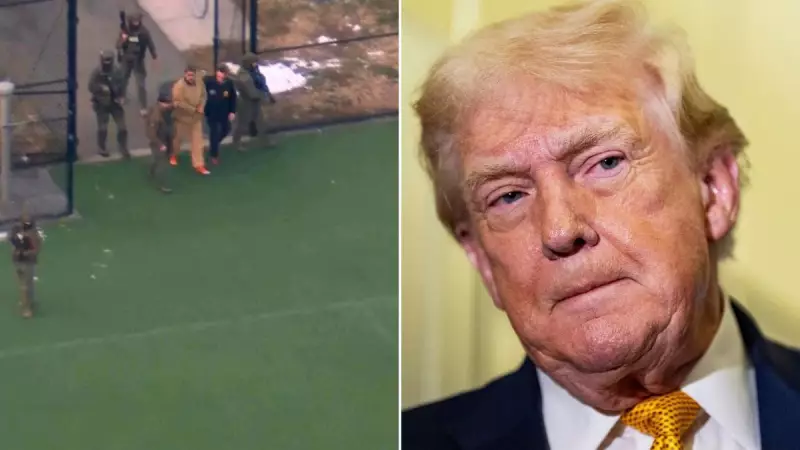
The dramatic capture and extradition of ousted Venezuelan leader Nicolas Maduro has sparked international condemnation and raised global concerns about unchecked American power. However, senior US political and military figures are now pushing back, insisting the operation was a deliberate and lawful action that is unlikely to trigger a prolonged military conflict.
A Precision Strike, Not a Prolonged Conflict
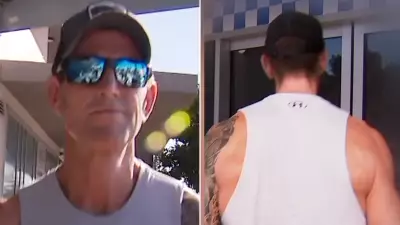
Former White House spokesperson Pete Seat strongly rejected comparisons to past US military entanglements, describing the mission as a "precision campaign" that lasted roughly four hours with no American boots on the ground. He argued the Trump administration acted within constitutional authority and historical precedent, unconcerned by European or UN criticism when core US national interests were at stake.
Retired US Air Force Lieutenant General Richard Newton supported this view, telling Sunrise he does not anticipate and would not advise deploying US troops to Venezuela. Both men dismissed the notion that this operation marks the start of another "forever war," a scenario President Donald Trump has repeatedly vowed to avoid.

Oil, Influence, and Regional Security
While promoting democracy has been the public justification, much debate has centred on Venezuela's vast oil reserves and strategic energy interests. Seat acknowledged that US motives extend beyond democratic ideals, with a key goal being to prevent rival powers like China, Russia, and Iran from accessing the country's significant resources.
This aligns with the Trump administration's framing of the operation as necessary to expel the "malign influence" of those nations from the Western Hemisphere. Germany's foreign minister has criticised the move, pointing to Washington's growing focus on exerting influence over other regions, including Greenland, Cuba, and Colombia.
Venezuela's New 'Strange Reality'
As Maduro pleads not guilty to narco-terrorism charges in a US federal court, a new political reality is unfolding in Caracas. Former vice president Delcy Rodríguez has been sworn in as Venezuela's interim president at the National Assembly, a move Newton said aligns with the country's constitutional framework.
Analysts describe the situation as a "strange reality." Rodríguez's rhetoric has notably softened since taking office, shifting from a confrontational stance declaring Venezuela would "never again be anyone's colony" to a more conciliatory tone, including calls for cooperation with Washington. Newton suggested this change likely followed discussions with US Secretary of State Marco Rubio.
Newton predicts a political transition involving cooperation between the post-Maduro government and opposition forces, rather than a US military occupation. "Venezuela already has democratic institutions... It's just a matter of time to give that effort, that democratic society, a chance to flourish," he said.
The developments leave major questions unanswered, including whether US oil companies entering Venezuela will receive security protection and what the broader implications will be for Latin America and the world order.