Australia has announced a major new initiative, dubbed Project Freedom, aimed at securing the Strait of Hormuz, a critical maritime chokepoint for global oil shipments. The plan, revealed by the Prime Minister on Monday, outlines a multi-pronged approach involving naval deployments, diplomatic engagement, and intelligence sharing with key allies.
Strategic Importance of the Strait
The Strait of Hormuz, located between Oman and Iran, is one of the world's most strategically important waterways. Approximately 20% of the world's oil passes through this narrow channel, making it vital to global energy security. Any disruption to shipping in the strait could have severe economic consequences, including spikes in oil prices and supply shortages.
In recent years, tensions in the region have escalated due to geopolitical rivalries, with Iran frequently threatening to close the strait in response to international sanctions. This has prompted Australia, along with other nations, to take proactive measures to ensure freedom of navigation.

Key Components of Project Freedom
Project Freedom includes several key elements designed to enhance security and stability in the region:
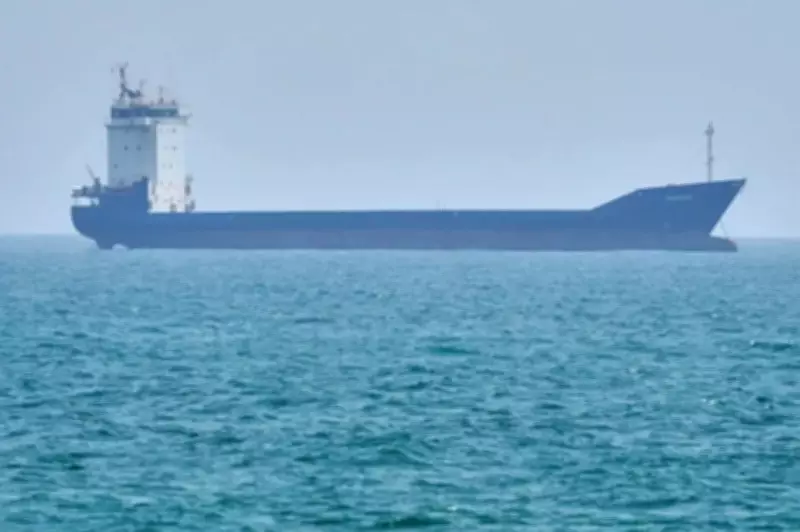
- Naval Presence: Australia will deploy an additional frigate and a support vessel to the region, joining existing multinational naval forces. These ships will conduct patrols and escort missions to protect commercial shipping.
- Intelligence Sharing: Australia will expand its intelligence collaboration with the United States, the United Kingdom, and other partners to monitor threats and coordinate responses.
- Diplomatic Efforts: Canberra will ramp up diplomatic engagement with regional powers, including Saudi Arabia, the United Arab Emirates, and Oman, to build a coalition for maritime security.
- Economic Measures: The government will work with industry to develop contingency plans for maintaining oil supplies in the event of a disruption, including tapping into strategic petroleum reserves.
Reactions and Implications
The announcement has drawn mixed reactions. Supporters argue that it demonstrates Australia's commitment to global stability and its role as a reliable ally. Critics, however, warn that increased military involvement could escalate tensions and drag Australia into a potential conflict.
Defence analysts note that Project Freedom aligns with Australia's broader strategic shift towards the Indo-Pacific region, where it is already increasing its military presence. The initiative also underscores the growing importance of energy security in Australian foreign policy.
The government has emphasised that the mission is defensive in nature and aimed solely at protecting freedom of navigation. It has called on other nations to contribute to the effort, highlighting the shared interest in keeping the Strait of Hormuz open.
Looking Ahead
As Project Freedom moves forward, Australia will need to navigate a complex geopolitical landscape. The success of the initiative will depend on effective coordination with allies, careful management of risks, and sustained public support at home.
The Prime Minister has stated that the government will provide regular updates to the Australian people on the progress of the mission. With the world watching, Project Freedom represents a significant test of Australia's ability to project power and influence in a volatile region.