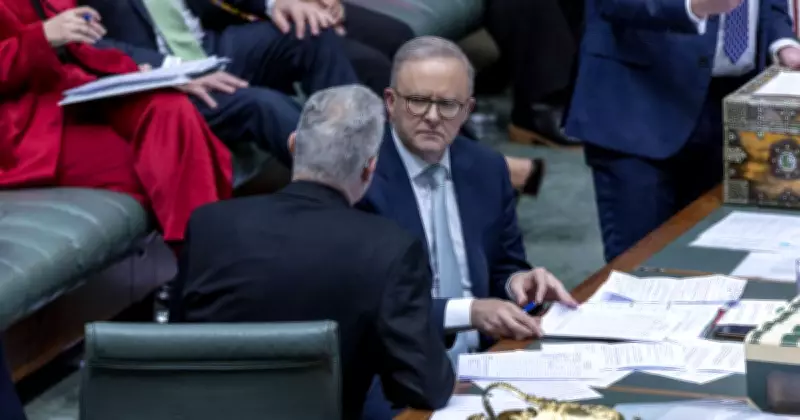
Albanese's Stance on Syrian Repatriation Ignites Political Firestorm
Prime Minister Anthony Albanese's recent comments regarding the repatriation of Australians from Syrian detention camps have sparked a fierce and ongoing political debate across the nation. This contentious issue has brought to the forefront deep divisions over national security protocols, humanitarian obligations, and the government's role in protecting citizens abroad.
National Security Concerns Take Center Stage
The debate has intensified as opposition figures and security experts voice significant concerns about the potential risks associated with bringing individuals back from conflict zones. Critics argue that such repatriations could compromise Australia's national security framework, citing the need for rigorous vetting processes and ongoing monitoring of returnees. These concerns are amplified by the complex geopolitical landscape of the region, where affiliations and activities are often difficult to verify with absolute certainty.
On the other hand, supporters of repatriation emphasize the humanitarian imperative to assist Australian citizens, including women and children, who are living in dire conditions in Syrian camps. They contend that leaving these individuals stranded abroad without consular support undermines Australia's commitment to human rights and could potentially create long-term diplomatic and ethical challenges.

Political Implications and Policy Discussions
The controversy has significant implications for Australia's foreign policy and domestic political dynamics. Albanese's stance is being scrutinized not only by political opponents but also within his own party, where differing views on how to balance security with compassion are emerging. This internal debate reflects broader societal questions about how Australia should navigate its responsibilities in an increasingly interconnected world.
Key points of discussion include:
- The legal and ethical frameworks governing repatriation efforts.
- The role of intelligence agencies in assessing individual cases.
- The potential impact on community cohesion and social harmony within Australia.
- International precedents and comparisons with other nations' approaches to similar situations.
Looking Ahead: A Complex Path Forward
As the debate continues, it is clear that finding a resolution will require careful consideration of multiple, often competing, factors. The government faces the challenging task of developing a policy that addresses security threats while upholding humanitarian values. This process is likely to involve extensive consultations with security experts, community leaders, and international partners to ensure a comprehensive and sustainable approach.
The outcome of this debate could set important precedents for how Australia handles similar situations in the future, influencing both domestic policy and international relations. With emotions running high on all sides, the path forward remains uncertain, but the conversation itself highlights the complex interplay between security, morality, and governance in contemporary Australian politics.