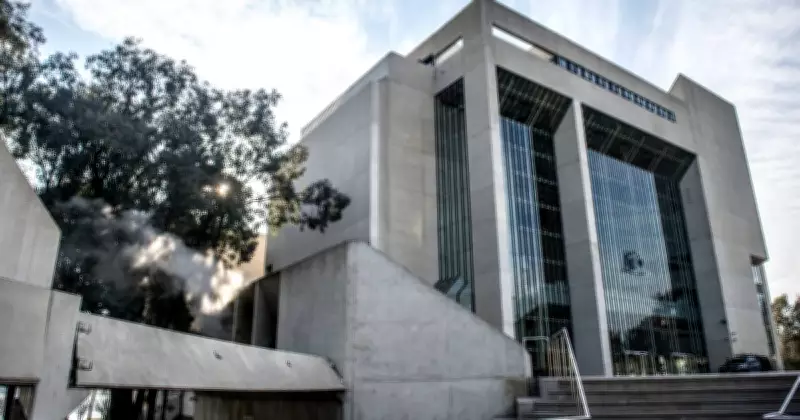
A recent High Court of Australia ruling has established that institutions can be held legally responsible for child sexual abuse committed by clergy, marking a pivotal moment in the nation's legal landscape. However, survivors and advocacy groups are asserting that this decision, while significant, is merely a first step, and substantial work remains to ensure comprehensive justice and protection.
Details of the Landmark Ruling
The High Court's judgment centred on a case involving historical abuse within a religious institution. The court determined that the institution could be found vicariously liable for the actions of its clergy, effectively holding it accountable for failing to prevent or address the abuse. This ruling overturns previous legal interpretations that often shielded institutions from such liability, setting a new precedent that could influence future cases across Australia.
Legal experts have described the decision as a watershed moment, potentially opening the door for more survivors to seek compensation and accountability. The ruling emphasises that institutions have a duty of care to protect vulnerable individuals, particularly children, within their environments.

Advocates Highlight Remaining Gaps
Despite the ruling's importance, advocates for abuse survivors are voicing concerns that critical legal and systemic issues persist. They point out that the decision does not automatically apply to all historical cases, as it may be limited by statutes of limitations or other legal barriers. Additionally, some institutions might still evade responsibility through complex corporate structures or insurance loopholes.
Survivor support groups are calling for governments to enact legislative reforms that address these gaps. Key demands include extending or removing time limits for civil claims, ensuring institutions cannot hide behind legal technicalities, and providing better access to compensation schemes. They argue that without such measures, many survivors will continue to face obstacles in their pursuit of justice.
Government and Institutional Responses
In response to the ruling, some state and federal politicians have acknowledged the need for further action. Statements from government officials suggest that reviews of existing laws are underway, with potential reforms aimed at strengthening protections for abuse survivors. However, advocates caution that progress has been slow, and they urge swift implementation of changes to align with the High Court's principles.
Religious institutions have also reacted, with some issuing apologies and committing to improved safeguarding measures. Yet, critics note that voluntary initiatives are insufficient without enforceable legal standards, highlighting the ongoing tension between institutional autonomy and public accountability.
Implications for Future Cases
The High Court ruling is expected to have far-reaching effects on how abuse cases are handled in Australia. It may encourage more survivors to come forward, knowing that institutions can be held liable. Legal professionals anticipate an increase in litigation, as this decision provides a clearer pathway for claims against organisations that failed in their duty of care.
Moreover, the ruling could influence other areas of law, such as workplace safety and educational settings, by reinforcing the concept of institutional responsibility. Experts suggest that this could lead to broader cultural shifts, prioritising the protection of vulnerable individuals across various sectors.
Call to Action for Comprehensive Reform
As the dust settles on this landmark ruling, the consensus among advocates is clear: more must be done. They emphasise that legal victories alone are not enough to heal the wounds of survivors or prevent future abuse. Comprehensive reform requires a multi-faceted approach, including:

- Legislative changes to remove barriers to justice
- Enhanced support services for survivors
- Robust independent oversight of institutions
- Public education campaigns to raise awareness
In conclusion, while the High Court's decision on church liability represents a critical advancement, it underscores the ongoing need for systemic change. Survivors and their supporters remain vigilant, pushing for a future where accountability is not just a legal possibility but a guaranteed reality for all.