Australia's government has declared the Afghan embassy in Canberra is no longer able to function, placing the diplomatic status of its ambassador, Wahidullah Waissi, in serious jeopardy.
Diplomatic Status Under Review
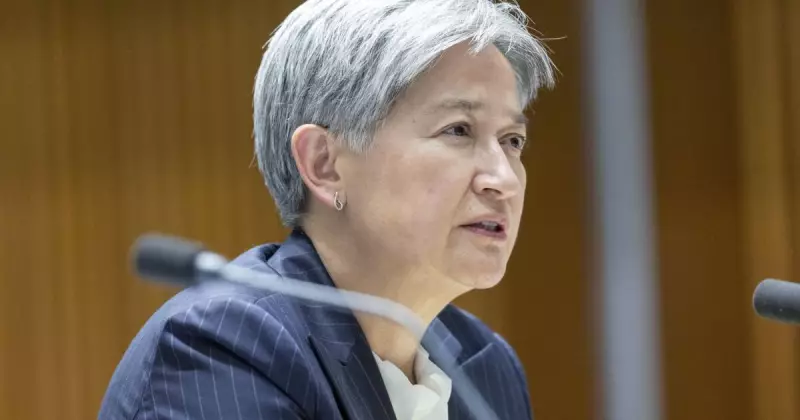
Foreign Affairs Minister Penny Wong reluctantly confirmed to Senate estimates hearings that private negotiations with Ambassador Waissi over his credentials are underway. She stated it was not "practically possible" for the mission to continue operating after the Taliban's violent seizure of power in Afghanistan in August 2021 forced its officials into exile.
Senator Wong revealed the government has been engaged in good-faith discussions with the ambassador regarding what she called a "very difficult situation." Reports indicate Mr Waissi was informed his diplomatic credentials would not be renewed when they expire in February 2025.

An Embassy in Limbo
The embassy, located in the Canberra suburb of Deakin, remains technically open but is maintained by only a handful of staff. Mr Waissi was appointed by the former Afghan administration in 2017 and is a known critic of the current Taliban regime.
Its operational capacity has severely diminished. The mission reportedly ceased issuing passports and visas earlier this year. This followed a July 2024 announcement by the Taliban that it would no longer recognise travel documents issued by Afghan missions in designated countries, which includes Australia.
Risks to the Community and an Uncertain Future
Jonathan Muir, Chief of Protocol for the Department of Foreign Affairs and Trade, explained the embassy has been unable to support itself financially or provide reliable consular services since Afghanistan's collapse. "The embassy can't continue to operate as it has been," he stated bluntly.
He warned of growing risks for Afghan Australians who might rely on the embassy for official documents. Possessing travel papers not correctly issued by a recognised authority could expose community members to legal offences.
Senator Wong emphasised the government's responsibility to the Afghan Australian community, stating, "We have a responsibility to Afghan Australians to make sure that risk is not amplified." Since 2021, more than 20,000 Afghan nationals have arrived in Australia on humanitarian visas, adding to an existing Afghanistan-born population of nearly 80,000.
The situation in Canberra mirrors a global trend, with over 60 Afghan embassies and consulates worldwide left in diplomatic limbo since the Taliban takeover. The Australian government continues to work through the complex implications of engaging with an embassy that represents a government it does not recognise.