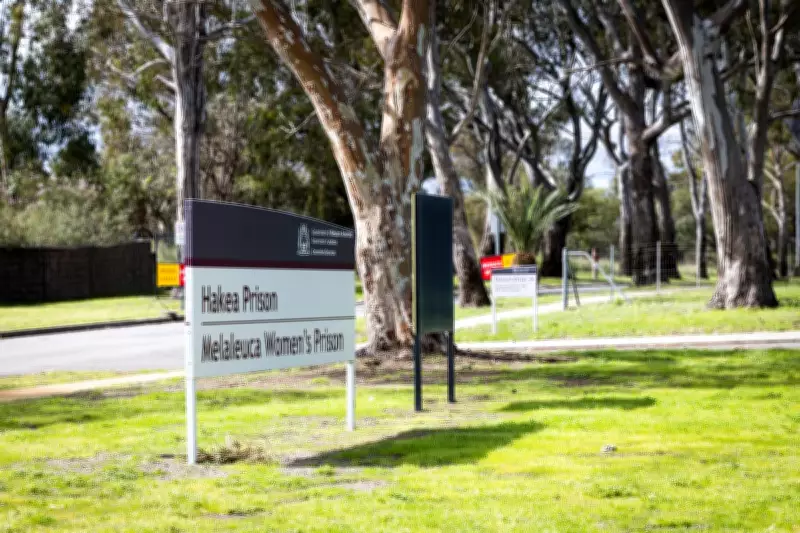
Western Australia's correctional system is facing a severe crisis, with new data from the Productivity Commission revealing the state has the second worst performing prison network in the entire country. The alarming figures underscore a system pushed to its absolute limits, grappling with chronic overcrowding and significant resource shortages that threaten both inmate welfare and public safety.
Productivity Commission Report Exposes Critical Failings
The latest report from the independent Productivity Commission provides a stark and detailed assessment of Australia's prison systems. For Western Australia, the findings are particularly damning, placing it just behind the worst-performing jurisdiction nationally. This ranking is based on a comprehensive analysis of key metrics, including incarceration rates, rehabilitation outcomes, infrastructure capacity, and operational efficiency.
Overcrowding and Resource Strain at Core of Crisis
The data points to severe overcrowding as a primary driver of the system's failures. WA prisons are operating far beyond their designed capacity, leading to cramped living conditions, increased tensions among inmates, and immense pressure on correctional staff. This overcrowding exacerbates existing challenges in providing adequate healthcare, educational programs, and mental health services to the prison population.

Resource allocation has also been highlighted as a critical issue. The report suggests that funding and staffing levels have not kept pace with the growing inmate numbers, creating a dangerous environment where safety protocols and rehabilitation efforts are compromised. The strain on infrastructure is palpable, with ageing facilities struggling to meet modern standards and security requirements.
Implications for Inmate Welfare and Community Safety
The consequences of a prison system at breaking point extend far beyond the prison walls. Overcrowded and under-resourced facilities hinder effective rehabilitation, potentially leading to higher rates of recidivism upon release. This creates a cyclical problem that impacts community safety and places additional burdens on social services and law enforcement.
Furthermore, the working conditions for prison officers have become increasingly hazardous, with reports of rising assaults and burnout. The morale among staff is reportedly low, which can affect the overall management and security of the institutions. The situation calls for urgent intervention to prevent a complete systemic collapse.
Calls for Immediate Action and Policy Reform
Advocacy groups and criminal justice experts are urging the WA government to take immediate and decisive action in response to the Productivity Commission's findings. Recommendations include increasing investment in prison infrastructure, expanding alternative sentencing and diversion programs to reduce inmate numbers, and enhancing support services for both prisoners and staff.
There is also a growing consensus on the need for broader policy reforms aimed at addressing the root causes of incarceration, such as improving access to mental health treatment, drug rehabilitation, and social housing. A holistic approach is deemed essential to alleviate the pressure on the prison system and promote long-term societal benefits.
The Productivity Commission's report serves as a crucial wake-up call for Western Australia. Without significant and sustained efforts to address these deep-seated issues, the state's prison system risks further deterioration, with profound implications for justice, rehabilitation, and public safety across the community.