Secret Australian government records from 2005 have been released to the public, shedding new light on how the Howard government grappled with the rising spectre of global terrorism in the wake of the deadly London bombings.
Cabinet's Secret Terror Planning Exposed
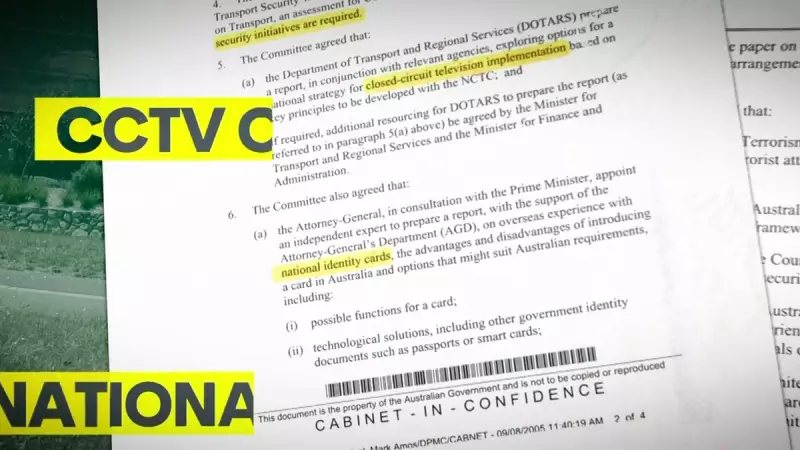
The national security documents, kept under wraps for nearly two decades, show the nation's top spy agency, ASIO, provided direct briefings to federal Cabinet. These briefings included planning for a potential terror attack on home soil using improvised explosive devices.
In response to the imminent threat, ASIO advised all levels of government to consider deploying more explosive detector dogs around mass transit networks. Cabinet ministers also debated the installation of widespread CCTV on public transport and weighed the pros and cons of introducing a national identity card scheme.

To counter extremist ideologies, the government agreed to convene a summit with leaders from the Australian Muslim community. Prime Minister John Howard's definitive legislative response was the introduction of the controversial Anti-Terrorism Act, which significantly expanded the powers of law enforcement and intelligence agencies.
A Global Catalyst and Lasting Legacy
This intense period of security planning was triggered by the July 2005 London bombings, where Islamist extremists executed four coordinated attacks during the morning rush hour. The assaults on three Underground trains and a bus killed 52 people and injured more than 700. Two weeks later, another attempted attack targeted the transport system.
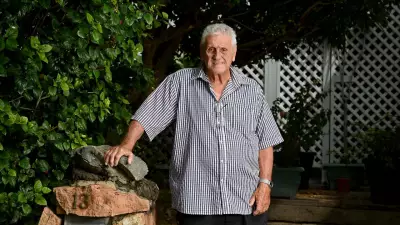
Reflecting on the era, former Immigration Minister Philip Ruddock summarised 2005 in one word: "Terrorism. Huge risk." Simon Froude, the Director-General of the National Archives of Australia, noted that the themes from these 2005 documents remain strikingly current. His comments come less than three weeks after Australia's deadliest terror attack unfolded at Bondi Junction, and amid ongoing political pressure on Prime Minister Anthony Albanese to address anti-Semitic violence.
Broader Policy Debates of the Era
The declassified papers reveal that terrorism was not the only major issue occupying the Howard cabinet in 2005. Climate change emerged as a significant political concern, influenced by the devastation of Hurricane Katrina in New Orleans and the 2004 Indian Ocean tsunami. One observer noted a clear ministerial awareness of the problem climate change posed.
Immigration also became a key debate, fresh from the inter-communal tensions of the Cronulla riots in December 2005. Mr Ruddock, speaking before the recent Bondi attack, highlighted the "significant risks" Australia faced in its region but staunchly defended the immigration program. He argued that using race, culture, or religion to determine settlement was "seriously flawed" and that immigration had significantly benefited the nation.
This view stands in contrast to the political stance of figures like Pauline Hanson, whose One Nation party has seen a rise in primary vote support in recent polls.