South Australian Liberals Grapple with Chaos as Election Looms
The South Australian Liberal Party is approaching the upcoming state election in one of its most turbulent phases in recent memory, marked by rapid leadership changes, internal divisions, and public controversies, all while One Nation experiences a significant surge in statewide polling. This period of instability has cast a shadow over the party's prospects, with insiders expressing fears of a potentially historic electoral loss on March 21.
Leadership Instability and Polling Woes
The party has cycled through four leaders in just four years—Steven Marshall, David Speirs, Vincent Tarzia, and now Ashton Hurn—a revolving door that has fueled perceptions of disarray and weakened voter confidence. Recent Roy Morgan polling underscores the challenge, showing the Liberals with only 16.5 per cent primary support, trailing behind Premier Peter Malinauskas's Labor government at 35 per cent and One Nation at 28 per cent, which has seen a dramatic increase of 25.4 percentage points. The Greens hold 11 per cent, with minor parties and independents at 9.5 per cent, further fragmenting the political landscape.
Scandals Deepen Liberal Party Damage
A series of controversies has exacerbated the Liberals' struggles. David Speirs resigned after being charged and convicted on drug offences, though he continues to contest the seat of Black amid eligibility questions. Vincent Tarzia's abrupt departure only reinforced the image of a party unable to unify or establish a clear direction. Additionally, former MP Troy Bell's conviction for misappropriating over $430,000 in public funds and ex-Liberal turned independent Nick McBride's ongoing trial for domestic violence charges, monitored with an ankle bracelet, have further tarnished the party's reputation, though McBride remains favored in MacKillop.

One Nation's Resurgence and Strategic Messaging
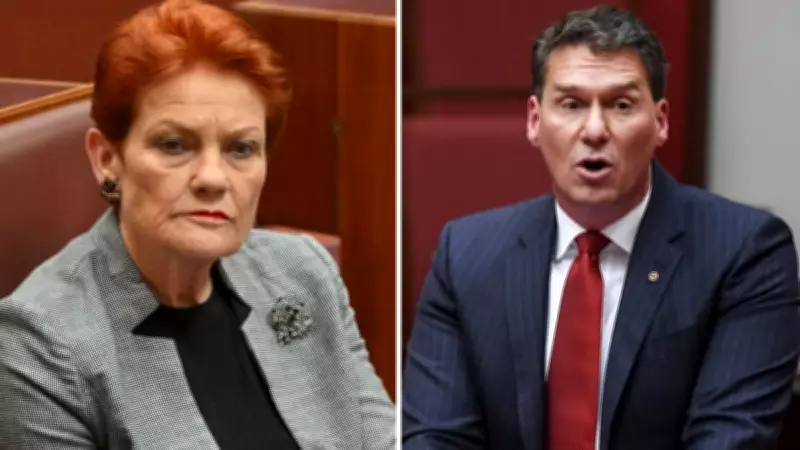
One Nation is capitalizing on this turmoil, attracting voters who feel politically disenfranchised by cultural debates, migration levels, and cost-of-living pressures. The party's platform, emphasizing tighter borders, reduced migration, and opposition to what it labels "woke" policies, has resonated strongly, particularly in outer-metro and regional areas of South Australia. Former Liberal senator Cory Bernardi, now a One Nation candidate, is poised to secure an upper house seat, energizing the party's comeback with a MAGA-style persona that appeals to disaffected conservatives.
Bernardi's Controversial Stances and Campaign Impact
Bernardi's record includes opposing welfare increases, school funding boosts, and foreign ownership restrictions, while supporting free-trade deals, cashless welfare cards, and tax cuts for high-income earners. He recently sparked controversy by criticizing the Indigenous Kaurna greeting "Niina Marni" at Adelaide University, claiming it erases history, despite its meaning of 'hello, how are you?'. One Nation's campaign events have proven popular with voters over 50, with candidates reporting a rise in volunteers and support from former Liberal backers, indicating a sharp shift in once-safe Liberal seats now threatened by Labor, independents, and minor parties.
Liberal Efforts to Stabilize and Future Challenges
Ashton Hurn has attempted to steady the party, focusing on rebuilding trust and presenting "a real alternative" to voters. However, the Liberals face a dual battle: defending vulnerable seats while contending with ongoing instability, scandals, and factional rifts that have left them exposed. With the election fast approaching, the party must navigate these challenges to avoid a significant defeat, as One Nation's surge reshapes the political dynamics in South Australia.