Pro-Palestine Protests' Timing Sparks Controversy in Australian Political Arena
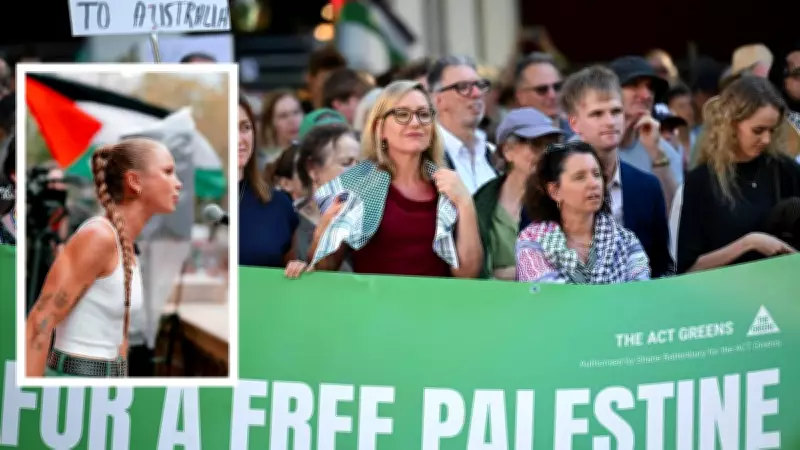
The recent wave of pro-Palestine demonstrations across Australia has ignited a fierce debate, with critics labeling the timing as tone-deaf and potentially advantageous to far-right political figures like Pauline Hanson. As tensions escalate globally, the protests have drawn scrutiny for their strategic placement within the domestic political landscape.
Critics Argue Protests Play into Hanson's Hands
Observers note that the protests, occurring amid heightened sensitivities and ongoing conflicts, may inadvertently bolster Hanson's narrative. Her political platform often capitalizes on divisive issues, and the timing of these demonstrations could provide her with ammunition to rally support among certain voter bases. This has raised concerns about the unintended consequences of public activism in a polarized environment.
Ben Harvey, a commentator, has highlighted that the protests' scheduling appears poorly judged, potentially alienating moderate Australians and fueling Hanson's rhetoric. He suggests that such actions, while well-intentioned, risk being co-opted by political opportunists seeking to exploit social divisions for electoral gain.

Broader Implications for Australian Politics
The controversy underscores the delicate balance between free expression and political strategy in Australia. Pro-Palestine advocates defend their right to protest, emphasizing the importance of raising awareness about humanitarian issues. However, opponents argue that the timing could undermine their cause by shifting focus to domestic political battles rather than international crises.
This debate reflects broader trends in Australian society, where global events increasingly intersect with local politics. The situation has prompted calls for more nuanced approaches to activism, considering how timing and messaging might impact public perception and political outcomes.
Potential Outcomes and Future Considerations
As the discourse evolves, stakeholders are urged to weigh the implications of their actions carefully. The protests have sparked conversations about:
- The role of timing in political activism
- How to effectively advocate for causes without empowering divisive figures
- The need for strategic communication in a complex media landscape
Ultimately, this incident serves as a reminder of the interconnectedness of global and domestic issues in modern politics. Moving forward, activists and policymakers alike may need to adopt more sophisticated strategies to navigate these challenges effectively.