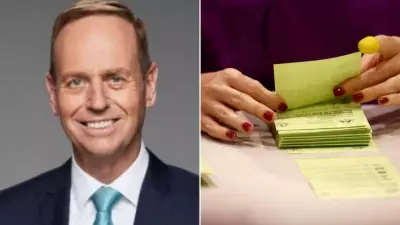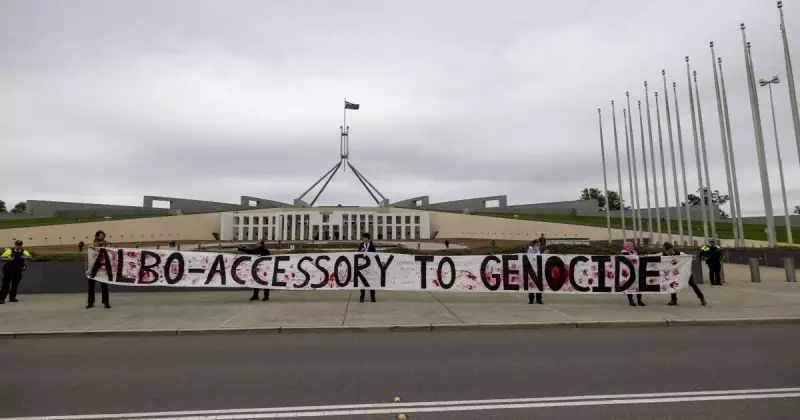
Prime Minister Anthony Albanese is facing mounting pressure from various community leaders to call a royal commission into anti-Semitism in Australia, a move that has sparked fierce debate about its potential effectiveness and cost.
Arguments Against a Commission
In a letter to the editor, John Buxton of Red Hill argues that a royal commission would be a futile exercise. He contends that anti-Semitism is an ancient hatred with roots in early Christian and Islamic texts, but notes that Australia has historically enjoyed low levels of overt anti-Semitism due to strong constitutional protections.
Buxton asserts that a commission investigating incidents since the Hamas attacks of October 7, 2023, would likely conclude that any spike in anti-Semitic behaviour represents horrific reprisals for the subsequent conflict in Gaza. He believes new laws or policies would not deter those intent on harming Jewish people and that it is wrong to claim Australia is experiencing an anti-Semitism crisis.

Growing Calls for an Inquiry
Countering this view, Peter Waterhouse from Craigieburn, Victoria, insists a commission is necessary. He points to the shifting sentiments of sporting, community, and business figures urging the Prime Minister to act. Waterhouse argues that if royal commissions were deemed appropriate for issues like the pink batts scheme and Robodebt, then one is surely warranted for what he describes as Australia's worst terrorist incident.
He emphasises that a royal commission allows for independent scrutiny, where "no one gets to mark their own homework," and is needed to address the social disharmony that has emerged.
Media and Government Under Fire
The debate has also drawn criticism of media coverage. Roger Terry of Kingston accuses elements of the media, including The Canberra Times, of using the Bondi tragedy as a bludgeon against the federal government. He questions the push for a commission that could cost between $60 and $100 million and take years to complete, suggesting it might simply provide a platform for narrow interests.
Terry advocates waiting for the outcome of Dennis Richardson's review into intelligence and security agency actions. He also defends the government's cautious approach to the Segal report's recommendations, citing valid concerns over freedom of speech.
Further criticism of the newspaper's tone comes from Anne Willenborg of Royalla, NSW, who describes recent editorials as taking an aggressively anti-Albanese government stance, likening the rhetoric to pointing a gun at the Prime Minister's head.
Broader Letters Context
The letters section also featured divergent views on other international issues, reflecting the interconnected nature of global and local tensions. Chris Ansted of Garran condemned US actions in Venezuela, arguing that American sanctions are largely responsible for the country's economic woes. Meanwhile, a separate exchange on the Israel-Hamas conflict saw Jane O'Neill of Aranda firmly rebutting claims that Hamas did not start the war, citing the October 7 attack as the definitive catalyst.
These letters collectively paint a picture of a nation grappling with complex domestic and international fault lines, where the call for a royal commission into anti-Semitism sits at the centre of a heated discussion about accountability, cost, and the roots of social division.