In the wake of the horrific terror attack at Bondi Beach that claimed 15 innocent lives, a fierce political blame game has erupted, with fingers pointed squarely at the federal government's response and Australia's security frameworks.
Gun Reform or a 'Diversion' from Harder Truths?
The federal government's renewed push for tougher firearms legislation following Sunday's shootings has been met with sharp criticism. Former Prime Minister John Howard labelled the move a "diversion," while Nationals Senator Bridget McKenzie accused the government of avoiding a more confronting reality.
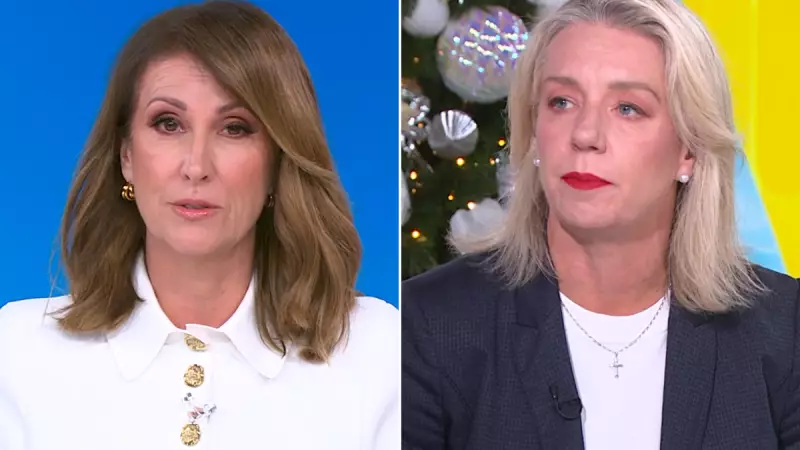
Appearing on Sunrise, Senator McKenzie argued the focus on guns was "a failure to name the actual reason that Jews were shot on the iconic Bondi Beach over the weekend." She stated unequivocally, "Islamic terrorism is now on our shores. It’s not the gun, it’s Islamic terrorism."

McKenzie claimed the government had turned a blind eye to rising anti-Semitism since the October 7 Hamas attacks, allowing protests with extremist chants and symbols. "They’ve got their own anti-Semitism report handed down, they’ve done nothing on it," she said, arguing this inaction contributed to a broken social climate.
Security Agencies 'Stretched' as Questions Mount
The scrutiny extends beyond politics to Australia's intelligence and security apparatus. ASIO Director-General Mike Burgess has publicly admitted the agency is stretched thin by the sheer volume of threats it monitors.
Senator McKenzie called this admission brave, noting, "governments don’t like to be put under the bus." She joined calls for additional resourcing for security agencies, highlighting systemic pressures.
Police allege the attackers, 50-year-old Sajid Akram and his 24-year-old son Naveed Akram, used long rifles fired from a footbridge. Sajid held a firearms licence since 2023, was a member of two gun clubs, and legally owned six firearms. Authorities confirmed his son was known to security agencies prior to the attack.
This detail raised immediate red flags for former NSW Police detective superintendent Robert Critchlow. "You can’t be a person of interest and be anywhere near anyone with a firearm licence," McKenzie echoed. Critchlow added the situation made him "uncomfortable," questioning why someone in suburban Sydney needed such access to firearms.
Where Does the Ultimate Responsibility Lie?
Despite the intense political finger-pointing and examination of policy gaps, a central warning emerged: not to lose sight of the perpetrators. Robert Critchlow urged the public and officials to "keep the blame on the bad people who did the bad things."
The attack has undeniably exposed flaws, from potential gaps in NSW firearm ownership limits to unfinished reforms from the Port Arthur era. However, the national debate is now sharply divided between those calling for immediate gun law tightening and those insisting the core failure was in naming and confronting the ideology of terrorism itself.
As investigations continue and the community mourns, Australians are left grappling with complex questions about security, liberty, and where accountability truly rests for a tragedy that has shaken the nation.