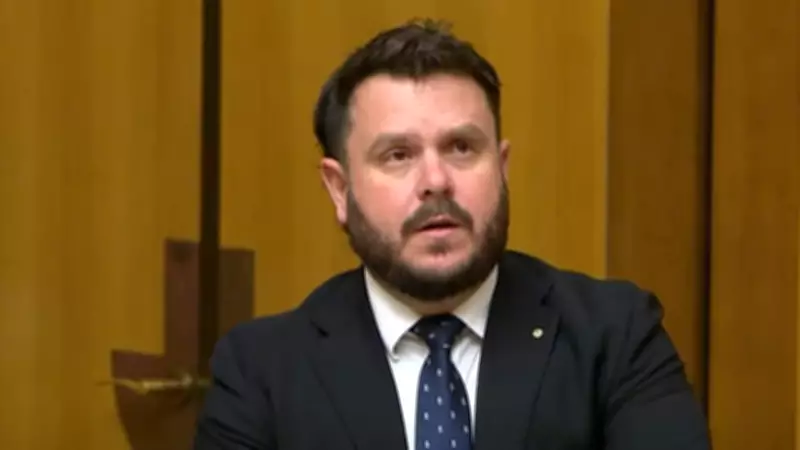
In a dramatic political development, Liberal MP Phillip Thompson has officially resigned from his position on the frontbench, a move specifically designed to force a leadership challenge against current party leader Sussan Ley. This decision underscores growing internal dissent within the Liberal Party, as Thompson cited significant concerns over the party's strategic direction and policy implementation under Ley's leadership.
Background and Context of the Resignation
Phillip Thompson, who has served as a prominent figure in the Liberal Party, announced his resignation from the frontbench earlier today. His departure is not merely a personal career shift but a calculated political maneuver aimed at destabilising Ley's position. According to sources close to the situation, Thompson has been vocal about his dissatisfaction with the party's recent performance and policy decisions, which he believes have alienated key voter bases and compromised core Liberal values.
Implications for the Liberal Party
The resignation is expected to trigger a formal leadership challenge, as party rules require such a move to initiate a vote. This development comes at a critical juncture for the Liberal Party, which is grappling with declining poll numbers and internal factional disputes. Analysts suggest that Thompson's action could rally other disgruntled MPs, potentially leading to a broader revolt against Ley's leadership. The timing is particularly sensitive, with upcoming elections and policy debates on the horizon, making this challenge a pivotal moment for the party's future trajectory.

Reactions and Statements
In a brief statement, Phillip Thompson emphasised his commitment to the Liberal Party's principles, stating that his resignation was a necessary step to ensure the party remains aligned with its foundational goals. He expressed hope that a leadership contest would foster healthy debate and result in a stronger, more unified party. Meanwhile, Sussan Ley's office has acknowledged the resignation but declined to comment extensively, only reiterating Ley's focus on governing and addressing national issues. Other party members have offered mixed reactions, with some supporting Thompson's bold move as a call for renewal, while others view it as divisive and untimely.
Looking Ahead: Potential Outcomes
The leadership challenge initiated by Thompson's resignation could have far-reaching consequences. If successful, it might lead to a change in leadership, potentially altering the party's policy agenda and public image. Conversely, if Ley retains her position, it could consolidate her authority but also deepen internal rifts. Observers note that this event highlights the ongoing tensions within Australian politics, where backbench MPs are increasingly willing to take decisive actions to influence party dynamics. The coming weeks will be crucial as the Liberal Party navigates this internal crisis, with all eyes on the outcome of the impending leadership vote.