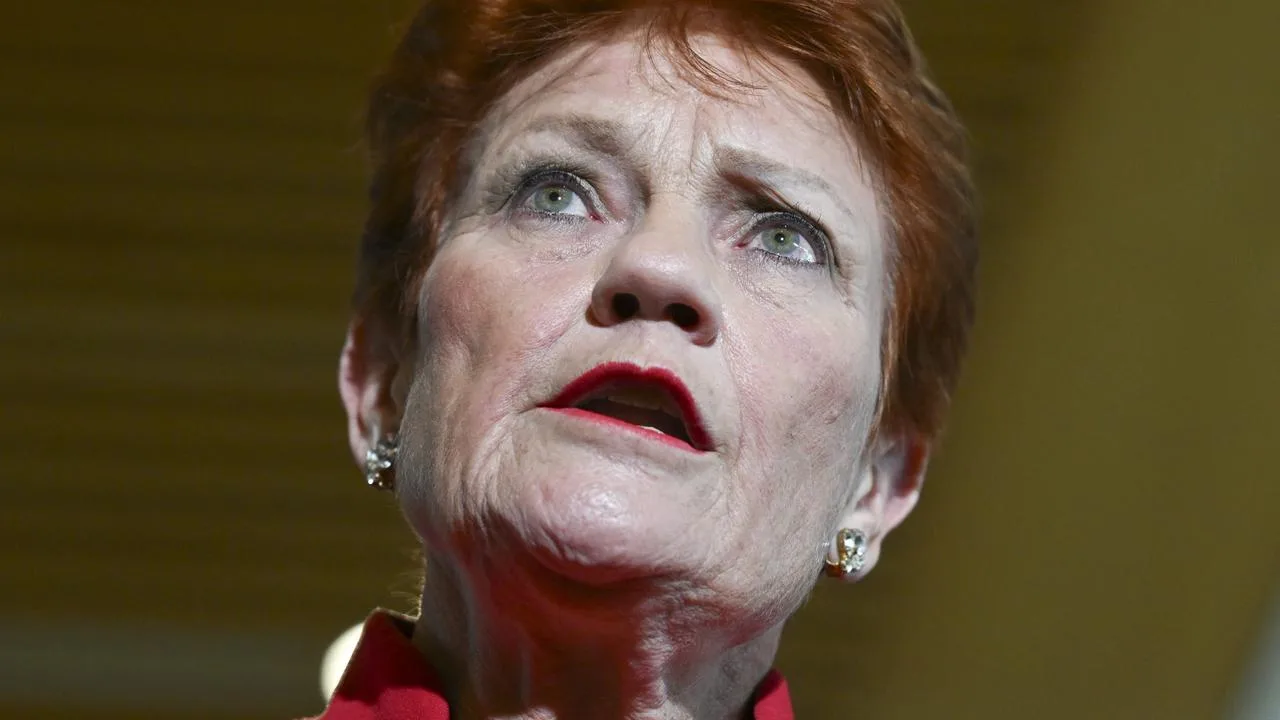
In a significant political shift, Pauline Hanson and the One Nation Party are now leading the Coalition for support across Australia, according to the latest NewsPoll survey. The poll, conducted from January 12 to March 26, 2026, reveals that One Nation has surged ahead in every major state except Victoria, marking a notable change in the electoral landscape.
State-by-State Breakdown and Demographic Trends
The survey of 4927 voters provides detailed insights into One Nation's growing influence. In Queensland, the party's primary vote stands at an impressive 30 percent, surpassing both the Australian Labor Party at 27 percent and the Liberal National Party at 23 percent. This makes One Nation the dominant force in the state, reflecting its strong grassroots appeal.
Beyond Queensland, One Nation has made substantial gains in Western Australia, particularly among Gen Z and Millennial voters. Support among those aged 18 to 34 has more than doubled since the last NewsCorp survey, positioning One Nation as the third most popular party for younger Australians, trailing only Labor and the Greens. This demographic shift highlights the party's ability to connect with younger generations amid ongoing economic challenges.
Factors Driving the Shift
The poll indicates that Labor has also experienced an electoral slide over the past three months, attributed to a combination of factors. These include the Bondi Beach terror attack in December, rising inflation, higher interest rates, fuel shortages, and the worsening cost of living crisis. These issues have created a volatile political environment, allowing One Nation to capitalize on voter dissatisfaction.
In South Australia, One Nation's recent electoral success further underscores its rising prominence. The party clinched several Lower House seats in the state's recent election, securing a significant 21 percent of first preference votes. This result dealt a blow to the major parties and marked the first time One Nation has secured lower house seats outside of Queensland, specifically in Hammond and Ngadjuri.
Implications for Australian Politics
Pauline Hanson, who has led the One Nation Party since being disendorsed by the Liberals in the late 1990s, continues to steer the party toward greater national relevance. The poll's findings suggest that One Nation is no longer a fringe movement but a formidable contender in Australian politics, challenging traditional party dynamics.
As the political landscape evolves, the gains made by One Nation signal a potential realignment of voter loyalties, particularly in response to economic pressures and security concerns. With support growing across states and demographics, the party is poised to play a pivotal role in future elections, reshaping the competitive balance between the Coalition, Labor, and minor parties.