WA Police Under Fire for Inaction on Masked Gunman Near Popular Beach
Western Australia Police are facing intense scrutiny and public criticism after it was revealed they did not pursue a masked individual seen carrying a firearm near a well-known northern suburbs beach. This incident has sparked widespread concern over community safety and the effectiveness of law enforcement protocols in handling potential threats.
Details of the Alarming Incident
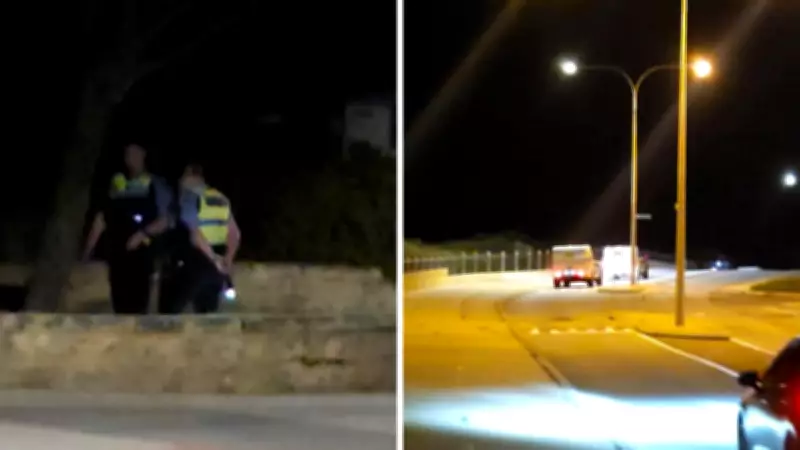
The event unfolded when a man, described as wearing a mask and openly carrying what appeared to be a gun, was spotted in the vicinity of a popular beach in Perth's northern suburbs. Eyewitnesses reported the individual behaving suspiciously, prompting immediate calls to emergency services. Despite the clear and present danger indicated by the reports, WA Police reportedly chose not to launch a full-scale hunt for the suspect.
This decision has left many residents and local officials baffled and alarmed, questioning why such a visible and potentially violent threat was not met with a more aggressive response. The lack of action raises serious questions about police priorities and their commitment to proactive crime prevention in public spaces.

Public Outcry and Safety Implications
Community members have expressed deep frustration and fear following the incident. Many argue that beaches, as family-friendly and high-traffic areas, should be among the most secure locations, with police ready to intervene at the first sign of danger. The failure to chase the masked gunman has eroded trust in law enforcement's ability to protect citizens from harm.
"This is a shocking lapse in duty that puts everyone at risk," said one local resident, echoing the sentiments of many. The incident has also prompted discussions about the need for better communication between police and the public, as well as enhanced training for handling armed suspects in crowded environments.
Police Response and Broader Concerns
In response to the backlash, WA Police have issued a statement defending their actions, citing operational constraints and the need to assess threats based on available information. However, critics argue that this explanation falls short, emphasizing that the presence of a masked individual with a gun should automatically trigger a high-priority response.
This event highlights broader issues within the police force, including resource allocation and response strategies. It serves as a stark reminder of the challenges law enforcement faces in balancing public safety with procedural considerations, especially in an era where community expectations for security are higher than ever.