Nationals Frontbenchers Hit with Major Salary Reductions After Coalition Departure
Former Nationals frontbenchers are set to lose almost $60,000 each in parliamentary pay as the party contends with the third Coalition separation in three decades and an impending leadership challenge. The financial fallout comes amid significant operational changes for the party.
Substantial Allowance Reductions and Committee Role Revocations
The party will relinquish approximately $404,000 in allowances according to calculations, alongside personal staff allocations, portfolio responsibilities, standing committee positions, and potentially parliamentary offices. Remuneration Tribunal guidelines specify that shadow ministers receive an additional 20 to 25 percent loading above a parliamentarian's base salary.
Shadow cabinet members including Bridget McKenzie, Kevin Hogan, Ross Cadell, Darren Chester, and Susan McDonald currently receive the 25 percent increase. These five MPs will each see their salaries decrease by $59,817 if a new cabinet structure is implemented.

Outer shadow ministers such as Pat Conaghan and Anne Webster will lose 20 percent of their income, amounting to $47,854 each. Ministers and shadow ministers receive only a single allowance for their positions, even when holding multiple ministries, with no additional payment for offices carrying higher allowances.
Leadership Allowances and Internal Party Challenges
Chief whip Michelle Landry will forfeit her 12 percent allowance as whip of an opposition party, instead receiving a 9 percent increase on the base salary, resulting in a $7,178 reduction. Deputy whip David Batt's 3 percent allowance will decrease to 2 percent, costing him $2,392.
Ms Landry acknowledged that allowance changes represent just one aspect of the split's consequences. "I am hopeful the Coalition will get back together again. It needs to happen," she stated, expressing optimism that Liberals and Nationals could continue negotiations for the benefit of both parties and constituents.
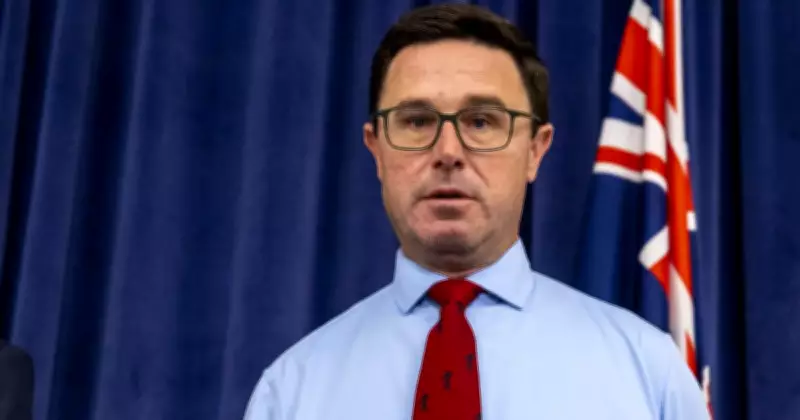
Nationals leader David Littleproud's separation from Opposition Leader Sussan Ley's party means Nationals members will no longer qualify for deputy chair positions on committees. Backbenchers will consequently miss out on a 5.5 percent pay increase.
Mr Littleproud has consistently defended the decision to leave the Coalition, asserting "We did this on principle, not on personnel." The leader continues to receive a substantial 45 percent loading as head of a minor party with more than ten MPs, boosting his salary by $107,671 to nearly $347,000, pending a leadership challenge from backbencher Colin Boyce.
Operational Impacts and Staffing Consequences
The separation extends beyond financial implications, affecting significant roles and staffing arrangements. The eighteen-member team, including Queensland Liberal National Party members who sit with the Nationals, has reportedly begun losing employees.
Multiple sources close to the Nationals confirmed that the Parliamentary Workplace Support Service has either contacted or plans to contact staff whose employment will not continue. The Prime Minister determines personal staff allocations for the opposition, with the opposition leader responsible for distributing them to shadow ministers.
Alongside nine ministry positions, the party held four unpaid assistant shadow ministries occupied by Jamie Chaffey, Andrew Willcox, and Sam Birrell. The Nationals may also relocate to less desirable offices within Parliament House, though this remains subject to parliamentary decisions.
Committee Restructuring and Future Negotiations
Roles on House of Representatives standing committees have been revoked, as standing orders mandate these positions go to opposition members. Joint and Senate committee roles remain unchanged, though both chambers retain authority to remove members from committees.
Mr Littleproud is reportedly negotiating with Ms Ley and the Prime Minister. Should the Coalition not reform, the Nationals may appoint their own spokespeople on key issues, mirroring the Greens' structural approach. Coalition MPs hopeful of reconciliation suggest that appointing new shadow cabinet members and Nationals spokespeople would indicate a more permanent separation.

Former Nationals leader Michael McCormack noted such moves would complicate reunion efforts, explaining "because what happens then is those newly elevated Liberal shadow ministers appoint staff, they get resources, and they get a bigger office."
Electoral Implications and Leadership Uncertainties
A prolonged split could influence Senate tickets in New South Wales and Victoria. Senators McKenzie and Cadell face re-election in 2028, with political analysts suggesting they would need second position on a Coalition joint ticket to secure their seats.
Ms Ley's leadership faces its own challenges as Liberal conservatives Angus Taylor and Andrew Hastie compete for her position. She has gained additional time after the two men failed to decide which would run for leader during a private Melbourne meeting.
Most Nationals MPs' offices declined to comment, directing inquiries to Mr Littleproud's office, which referred questions to the Prime Minister's office. The Prime Minister's office redirected queries to Special Minister of State Don Farrell, whose office could not provide specific answers.
Parliamentary Workplace Support Services referred matters to the Finance Department, which did not respond by deadline.