Federal Government Establishes National Fuel Taskforce to Address Supply Crisis
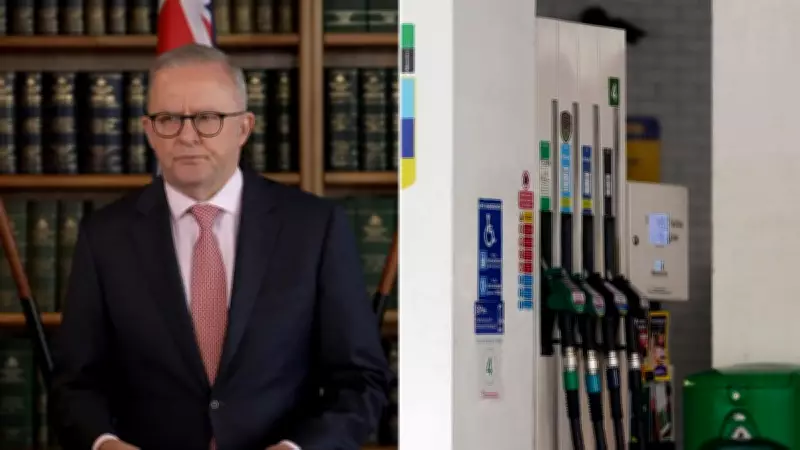
The federal government has launched a national taskforce in response to Australia's escalating fuel demand crisis, which has been exacerbated by the ongoing conflict in the Middle East. This initiative was announced by Prime Minister Anthony Albanese following a national cabinet meeting held on Thursday morning to assess the nation's fuel status.
Taskforce Leadership and Objectives
The newly formed Fuel Supply Taskforce will be led by Anthea Harris, the former CEO of the Australian Energy Regulator. The taskforce's primary role will be to collaborate with each state and territory to closely monitor fuel security and provide regular updates on Australia's fuel supply outlook. This coordinated approach aims to enhance preparedness and ensure stable distribution across jurisdictions.
Prime Minister Albanese emphasized the importance of this measure, stating, "This is a sensible measure to put in place." He further explained that while the community government holds responsibility for fuel security supply, the states and territories manage distribution within their areas. "The best outcome is to ensure that Australia is over-prepared, and today's announcement enforces that approach," he added.

Existing Measures and Public Appeal
In addition to the taskforce, the government has already implemented several strategies to combat the increased demand for fuel. These include releasing 20 percent of the nation's fuel stockpile, temporarily lowering fuel quality standards, and imposing fines of up to $100 million for fuel price gouging. Albanese also made a direct appeal to Australians, urging them to only take as much fuel as they need. "That is how you can help," he said, highlighting the "Australian way" of considering others, including neighbors, communities, and the national interest.
International Concerns and Market Impact
The prime minister expressed deep concern over recent attacks on civilian and energy infrastructure, particularly referencing Iranian strikes on facilities in Persian Gulf countries overnight. "We condemn Iran's ongoing and reckless reprisal attacks in countries across the region who are not parties to this conflict," Albanese stated, adding, "We do not want to see the conflict escalate further."
This development coincides with significant turmoil in global oil markets. The price of Brent crude oil has surged past $110 per barrel, a milestone driven by Iran's closure of the Strait of Hormuz to the United States and its allies. This strategic shipping route, which handles approximately 20 percent of the world's oil supply, has become a focal point of the crisis, further straining fuel availability and prices worldwide.