Mark Riley: Matt Canavan May Be the Nationals' Last Chance to Avoid Political Extinction
In a stark assessment of the National Party's future, political commentator Mark Riley has suggested that Senator Matt Canavan could be the party's final opportunity to evade political extinction. This analysis comes amid growing concerns about the Nationals' relevance in a rapidly changing Australian political environment, where traditional rural bases are being challenged by urbanisation and shifting voter priorities.
Internal Divisions and External Pressures
The Nationals, historically a key player in Australia's coalition government, are facing significant internal divisions and external pressures that threaten their long-term viability. Riley points to ongoing debates within the party over climate change, energy policy, and regional development as sources of friction that could undermine their electoral appeal. Additionally, the rise of independent candidates in rural seats and the increasing focus on environmental issues by major parties have put the Nationals in a precarious position.
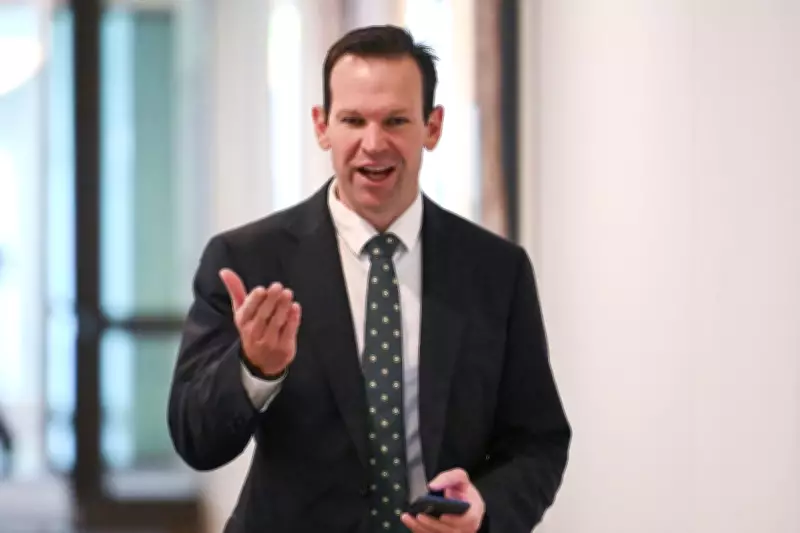
Senator Matt Canavan, known for his outspoken views on mining and conservative policies, is seen by some as a figure who could galvanise the party's base. Riley argues that Canavan's ability to connect with traditional National voters, particularly in Queensland, might be crucial in maintaining the party's foothold. However, this reliance on a single figure also highlights the Nationals' vulnerability, as any misstep by Canavan could further erode support.

The Broader Political Landscape
Australia's political landscape is undergoing profound changes, with issues like climate action, economic diversification, and social equity taking centre stage. The Nationals, often perceived as resistant to progressive policies, risk being left behind if they fail to adapt. Riley emphasises that without a strategic shift or a charismatic leader like Canavan to bridge gaps, the party could face electoral decline, potentially leading to its extinction as a major political force.
This situation is not unique to the Nationals; similar challenges have affected conservative parties globally, but the urgency is heightened in Australia due to its unique geographic and demographic factors. The Nationals' survival may depend on their ability to balance traditional values with modern demands, a task that Riley suggests could fall to Canavan if he can navigate these complexities effectively.
Implications for Federal Politics
If the Nationals were to weaken or disappear, it would have significant implications for federal politics, potentially altering coalition dynamics and policy-making. Riley warns that this could lead to increased instability in government and a shift in how rural and regional issues are addressed. The potential loss of the Nationals might also open opportunities for other parties or independents to fill the void, further fragmenting the political scene.
In conclusion, Mark Riley's analysis underscores a critical juncture for the National Party. With Matt Canavan positioned as a possible last hope, the coming years will be pivotal in determining whether the Nationals can reinvent themselves or face the prospect of political extinction. As debates continue, all eyes will be on how the party and its key figures respond to these mounting challenges.