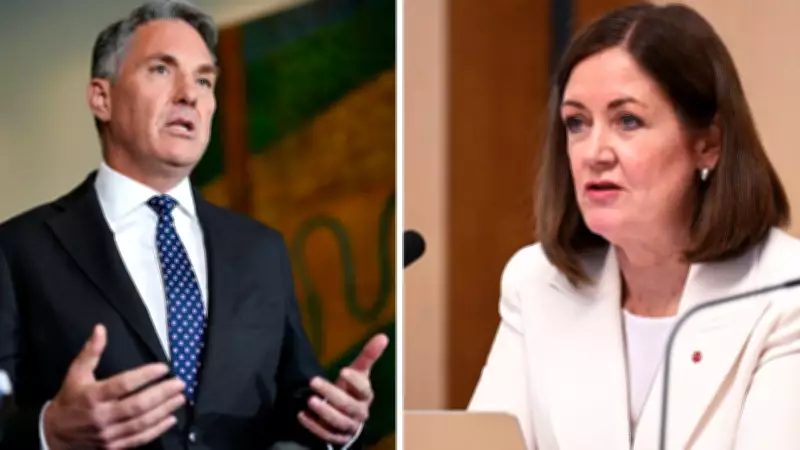
Deputy Prime Minister Richard Marles and Liberal MP Sarah Henderson have engaged in a heated exchange over the priorities of the 2026 federal budget, reflecting the deepening political divide on economic management. Writing in the Geelong Advertiser, both politicians staked out starkly different visions for Australia's fiscal future.
Marles Defends Government Spending
Richard Marles argued that the Labor government's budget is focused on building a stronger and more resilient economy. He highlighted investments in clean energy, manufacturing, and skills training as essential for future prosperity. "Our budget is about making Australia more competitive and ensuring that no one is left behind," Marles wrote. He pointed to record spending on healthcare and education as evidence of the government's commitment to fairness.
Marles also took aim at the opposition, accusing them of opposing necessary investments. "The Liberals want to cut spending without a plan, which would hurt working families," he said. He defended the government's debt levels, arguing that borrowing for infrastructure and human capital was prudent.

Henderson Calls for Fiscal Responsibility
In her response, Sarah Henderson accused the government of reckless spending that is driving up inflation and interest rates. She called for a return to fiscal discipline, urging the government to prioritise debt reduction and tax relief. "Labor's budget is a disaster for Australian families who are struggling with the cost of living," Henderson wrote.
The Liberal MP proposed cutting wasteful programs and reducing the size of government. She argued that the private sector, not government, should drive economic growth. "We need a budget that encourages investment and rewards hard work, not one that piles on more debt," she said.
Key Points of Contention
- Spending vs. Austerity: Marles emphasises investment in public services, while Henderson advocates for spending cuts.
- Debt and Deficits: The government defends borrowing for growth; the opposition warns of unsustainable debt.
- Cost of Living: Both claim to address cost-of-living pressures but propose opposite solutions.
The exchange highlights the fundamental differences between the two major parties as the 2026 election approaches. With the budget due in May, the debate is set to intensify. Voters will ultimately decide which vision they prefer at the ballot box.