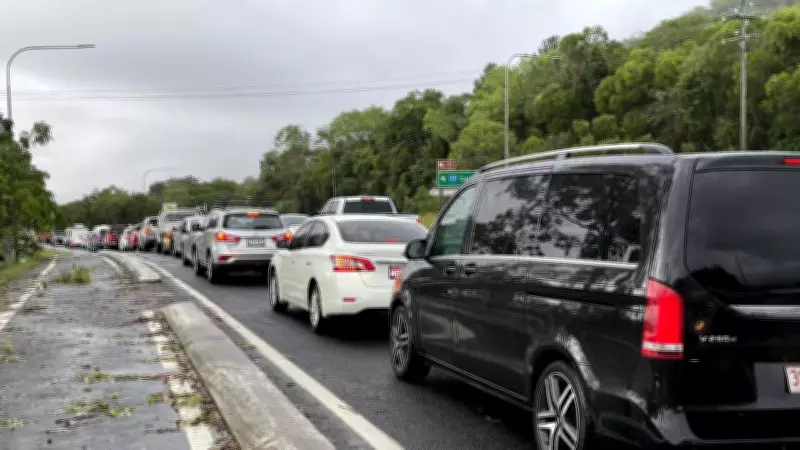
LNP Faces Accusations of Stalling Major Far North Queensland Road Project
The Liberal National Party (LNP) has been accused of hitting the brakes on a significant road project in Far North Queensland, raising alarms among local communities and stakeholders. This development comes amid growing concerns over infrastructure delays and their impact on regional growth and connectivity.
Details of the Alleged Delay
According to recent reports, the LNP is under fire for allegedly slowing down progress on a major road initiative in the Far North region. The project, which aims to enhance transportation links and support economic activities, has been a key priority for local residents and businesses. Critics argue that the delay could hinder regional development and exacerbate existing infrastructure challenges.
The accusations suggest that political factors may be influencing the project's timeline, with opponents claiming that the LNP's actions are not aligned with the urgent needs of the area. This has sparked a broader debate about infrastructure funding and political accountability in Queensland.

Impact on Regional Communities
The alleged stalling of the road project has significant implications for Far North Queensland. Improved road infrastructure is essential for:
- Boosting local economies by facilitating trade and tourism.
- Enhancing safety for residents and travelers on rural routes.
- Supporting agricultural and mining sectors that rely on efficient transport networks.
Delays could lead to increased costs, missed economic opportunities, and frustration among communities that have long advocated for better infrastructure. Stakeholders are calling for transparency and swift action to ensure the project moves forward without further interruptions.
Political Reactions and Future Outlook
In response to the accusations, the LNP has defended its position, emphasizing the need for careful planning and budget considerations. However, critics remain skeptical, urging the party to prioritize regional infrastructure to avoid long-term negative effects.
As the situation unfolds, it highlights ongoing tensions between political promises and practical implementation in infrastructure projects. The outcome of this dispute could set a precedent for how future developments are managed in Queensland, particularly in remote and regional areas.