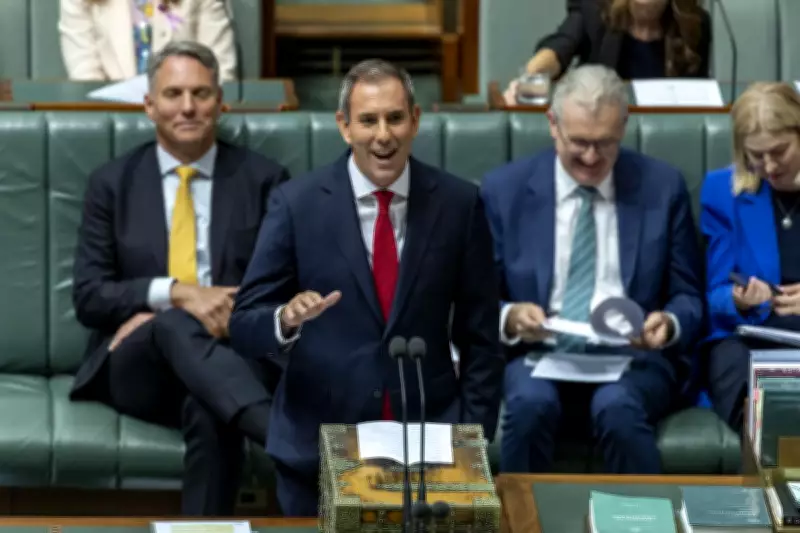
Treasurer Jim Chalmers has unveiled a fresh budget buzzword in the lead-up to the federal budget, with political analysts suggesting it signals a targeted effort to alleviate the economic burden on younger Australians. This development comes amid ongoing discussions about cost-of-living pressures and intergenerational equity in Australia's economic landscape.
Decoding the Treasurer's Latest Terminology
The precise nature of this new budgetary term remains under wraps, but insiders indicate it reflects a strategic shift towards addressing the unique financial challenges faced by younger generations. These challenges include soaring housing costs, student debt, and stagnant wage growth, which have disproportionately affected Australians in their twenties and thirties.
Political Implications and Public Response
Opposition figures have been quick to scrutinise the announcement, questioning whether this represents substantive policy or mere political rhetoric. Meanwhile, advocacy groups for young Australians have expressed cautious optimism, urging the government to translate this buzzword into concrete measures that deliver real financial relief.

Economic commentators note that such terminology often precedes significant budget announcements, suggesting that the upcoming federal budget may include specific initiatives aimed at supporting younger citizens. This could encompass reforms in areas such as education funding, housing affordability, or employment programs designed to boost economic mobility for this demographic.
Broader Context of Economic Pressures
The focus on younger Australians aligns with broader concerns about intergenerational fairness and economic sustainability. With rising inflation and housing market pressures, many young people report feeling locked out of traditional pathways to financial security, making this a critical issue for policymakers.
As the budget details emerge, all eyes will be on how this buzzword translates into actionable policies. The success of such measures could have lasting implications for Australia's economic future and the wellbeing of its younger population.