Liberal Party Moves to Expel Nationals from Senate Committees Amid Coalition Split
The Liberal Party is set to escalate its political rift with the Nationals by moving a motion in the Senate to remove all four Nationals senators from the twelve Senate committees they currently serve on. This dramatic step follows the Nationals' decision to quit the Coalition, sparking a bitter internal conflict that is now spilling onto the floor of the upper house.
Unprecedented Motion to Purge Nationals
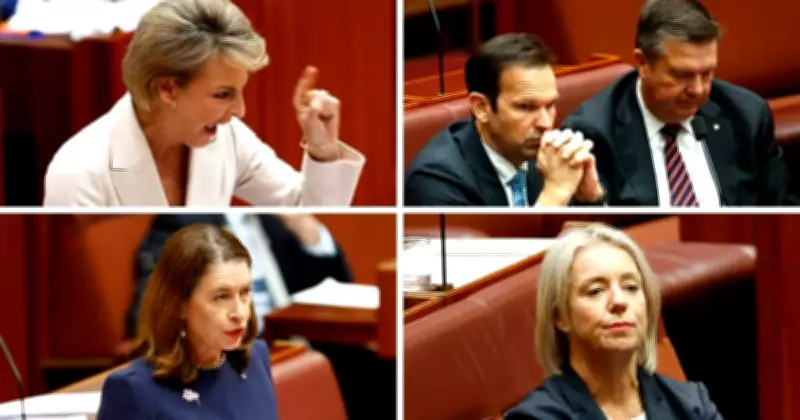
Liberal Senator Michaelia Cash gave notice of the motion on Wednesday, which aims to sack Nationals senators Bridget McKenzie, Matt Canavan, Susan McDonald, and Ross Cadell from their committee positions, including chair and deputy chair roles. The motion is expected to be debated on Thursday morning, with Labor yet to indicate whether it will support the move.
Finance Minister and ACT Labor Senator Katy Gallagher condemned the motion as "an unprecedented attempt from the Liberal Party to purge their former coalition partner from all senate committees." She added, "While the Senate should be focused on debating laws, we have two parties at war bringing their poisonous conflict to the floor of the Senate because they can't sort it out between themselves."

Impact on Senate Estimates and Committee Work
The Nationals' scaled-down presence is poised to disrupt Senate estimates hearings scheduled to start next Monday. Nationals leader in the Senate Bridget McKenzie warned that the process would be diminished without strong Nationals participation, citing their historical role as significant contributors.
"I think you can all recall Nationals Party senators being significant contributors within the Senate estimates process," Senator McKenzie told reporters in Canberra. While Nationals senators will still be able to question bureaucrats, their effectiveness may be hampered by reduced resources. Committee members typically rely on intensive preparation and research by their staff, but Nationals staffers employed by former shadow ministers are in the process of losing their jobs.
Political Maneuvering and Resistance
The Liberals had previously submitted a letter on Tuesday seeking to remove Nationals senators from committees, but the Nationals refused leave for the motion to be moved, forcing the Liberals to pursue a formal Senate motion. Under Senate rules, the Opposition Leader has the power to appoint MPs to committees and remove them from lower house committees, but a motion must pass the upper house to remove them from Senate committees.
In response, Senator McKenzie plans to move a counter-motion proposing that Senate committee nominations be made by agreement between Opposition Leader Sussan Ley and Nationals leader David Littleproud, with allocations proportional to party numbers. She vowed to continue holding the government to account, stating, "We will not be there as shadow ministers, but we will be absolutely like guerrilla warfare out there on the Senate committee structure."
Senator McKenzie issued a pointed warning to government agencies, saying, "So just a big warning to Home Affairs and attorney-generals, I'm coming to talk about those unfair gun laws." A Nationals party insider sarcastically remarked, "You can just tell the public servants they can all go to sleep and have a relaxing weekend," highlighting the potential for reduced scrutiny during estimates.
Broader Implications for Australian Politics
This conflict underscores the deepening fracture within the former Coalition, with immediate repercussions for parliamentary oversight and committee functions. The outcome of Thursday's debate could set a precedent for how political realignments are managed in the Senate, affecting the balance of power and accountability mechanisms. As both parties dig in, the chaos threatens to overshadow legislative priorities and fuel ongoing political instability.