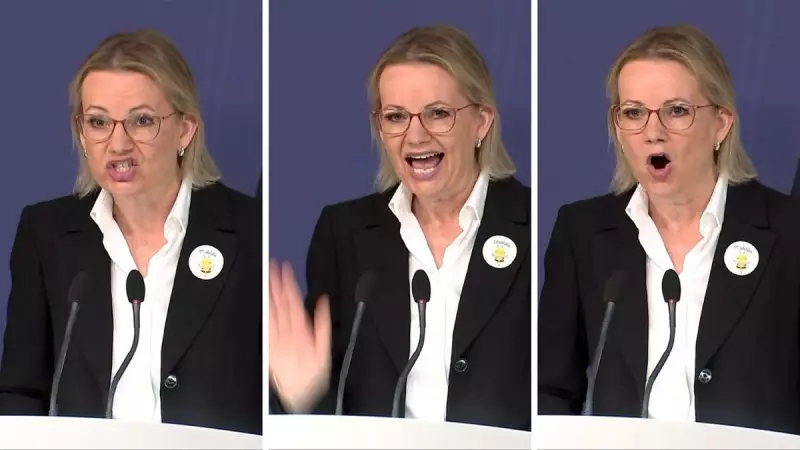
Opposition Leader Sussan Ley has hit back at critics following her heated parliamentary attack on the Labor government, specifically targeting Foreign Minister Penny Wong, in the wake of the Bondi Junction terror attack.
Ley doubles down on "tears" criticism
On Monday, Ley delivered a forceful rebuke, slamming her hands on the lectern and loudly questioning why Penny Wong had not publicly shed tears over the devastating massacre. "I haven't seen Penny Wong shed a single tear," Ley stated. The comments sparked immediate backlash, with some labelling them a personal attack.
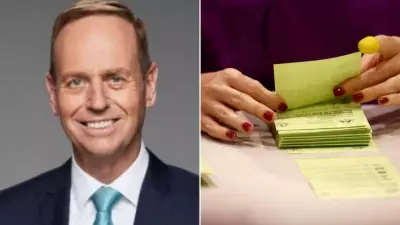
Defending her stance on Sunrise the following day, Ley told host David Woiwood she was expressing community anger. "I've cried at homes, in synagogues, in the street, at the vigil," she said, doubling down. She framed her anger as being "on behalf of the community" towards a government she believes has failed them.

Calls for unity clash with demands for inquiry
When Woiwood questioned whether Australians wanted a "crying competition" or rather cooperation and unity, Ley shifted focus to a direct challenge for Prime Minister Anthony Albanese. She urged him to "look past the jeers" he faced at the Bondi Beach vigil, where he was booed and notably not invited to some victims' funerals, unlike Ley and NSW Premier Chris Minns.
Ley, who leads the new taskforce on antisemitism, extremism, and counter-terrorism, called on Albanese to "put aside his pride and take action." She declared that a federal royal commission is the "one thing" that would begin the healing process for Jewish Australians, pointedly asking, "What is the Prime Minister hiding?"
Royal commission debate intensifies
Prime Minister Albanese has so far dismissed mounting calls for a federal royal commission. He insists the federal government will fully support a NSW-led inquiry announced by Premier Minns. Albanese argues that initiating a separate federal commission would cause significant delays.
"Every royal commission has asked for an extension of time," Albanese said at a press conference on Monday. "The idea that we would have multiple royal commissions, as well as a review running at the same time is going to simply delay action. What we need to do is to work immediately. We want urgency and unity, not division and delay."
He highlighted the existing Richardson Review, examining federal law enforcement and intelligence agencies' powers and structures, which is due before April. Albanese stated this review could inform the NSW inquiry.
However, this position faces prominent opposition. Former High Court Chief Justice Robert French publicly stated a federal royal commission would be the most effective way to meet the "moral imperative" of the Bondi attack. French argued a national inquiry would have the power to compel evidence across jurisdictions and deliver a comprehensive national response.
The political divide is now clear: the government pushes for streamlined action through existing mechanisms, while the opposition, backed by significant legal opinion, demands a full federal royal commission, framing it as essential for national healing and security.