Federal Budget 2026: Winners and Losers
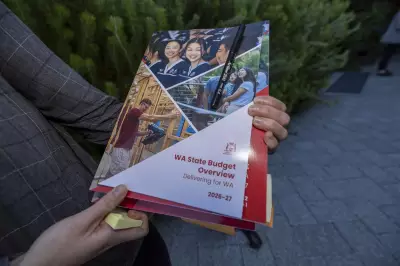
The 2026 Federal Budget has been handed down, and the verdict is in: some sectors are celebrating while others are left wanting. Treasurer Jim Chalmers delivered the budget on Tuesday night, outlining a plan that prioritises cost-of-living relief, defence spending, and healthcare investment. But not everyone came out ahead. Here are the biggest winners and losers from this year’s federal budget.
Winners
Healthcare receives a major boost with an additional $5 billion allocated to Medicare, including funding for bulk-billing incentives and mental health services. The budget also includes $2 billion for a new hospital fund aimed at reducing elective surgery wait times.
Defence is another clear winner, with spending rising to 2.5% of GDP. The government has committed $10 billion over four years to upgrade naval capabilities and enhance cyber security.

Renewable energy gets a $3 billion injection for green hydrogen projects and community batteries, part of the government’s push to meet net-zero targets by 2050.
Families will benefit from increased childcare subsidies and a $500 cost-of-living payment for low- and middle-income earners.
Losers
Education faces cuts, with university funding reduced by $1.2 billion over the forward estimates. The government says it will redirect funds to vocational training, but critics argue this will hurt research and teaching.
Environmental groups are disappointed by the lack of funding for the Great Barrier Reef and species protection. The budget allocates only $200 million for environmental programs, down from $400 million last year.
Small businesses miss out on tax cuts, with the instant asset write-off scheme not extended. Many had hoped for further support to cope with rising costs.
Public service jobs are on the line with a $1 billion efficiency dividend, meaning agencies must find savings, likely through redundancies.
The budget forecasts a deficit of $22 billion for 2026-27, with net debt reaching $900 billion. Opposition Leader Peter Dutton described the budget as “reckless spending” that will burden future generations. Meanwhile, the government defends it as necessary investment in Australia’s future.