Emergency National Cabinet Meeting Called Amid Escalating Australian Fuel Crisis
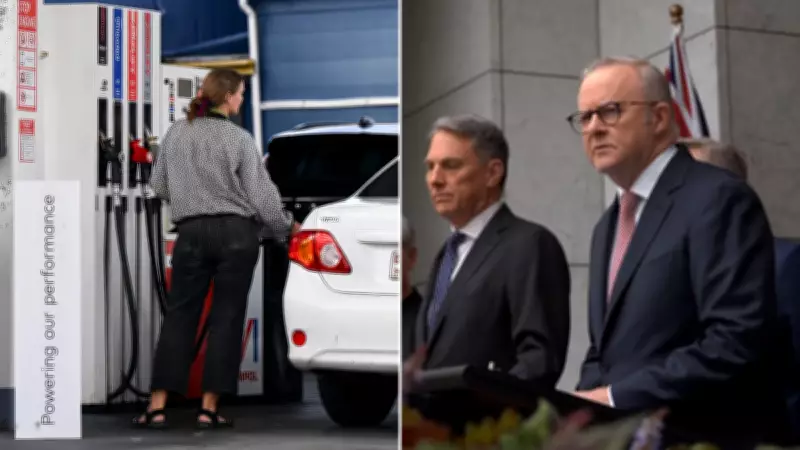
Prime Minister Anthony Albanese has urgently convened an emergency meeting of the national cabinet as Australia's fuel crisis intensifies, with widespread panic buying exacerbating shortages and placing immense pressure on regional communities. The meeting is scheduled for Thursday, with the prime minister participating remotely from Tasmania to join state and territory leaders in addressing the critical situation.
Root Causes and Immediate Impacts of the Fuel Shortage
The crisis has been developing over the past two weeks, primarily triggered by the outbreak of war in Iran, which has disrupted global fuel supplies. This international supply pressure has collided with surging domestic demand in Australia, creating a perfect storm of scarcity. While fuel shipments continue to arrive in the country, the government has emphasised that the immediate problem is panic buying, which is depleting reserves in key areas faster than they can be restocked.
Regional communities have borne the brunt of the shortages, with numerous petrol stations reporting empty tanks and farmers warning of severe difficulties in accessing diesel necessary to maintain agricultural operations. This has raised alarms about potential disruptions to food production and local economies.

Government Response and Measures to Alleviate the Crisis
In response to the escalating situation, the federal government has already released 20 per cent of the nation's strategic fuel reserves, prioritising regional areas where shortages are most acute. Additionally, authorities have directed the Australian Competition and Consumer Commission (ACCC) to monitor for price gouging as fuel costs spike across the country.
The emergency national cabinet meeting represents a significant escalation in the government's response, following earlier communications that urged Australians not to alter their behaviour despite the deteriorating conditions. This shift underscores the severity of the crisis and the need for coordinated action at the highest levels of government.
As the situation evolves, further updates are expected from the national cabinet meeting, with stakeholders closely watching for additional measures to stabilise fuel supplies and support affected communities.