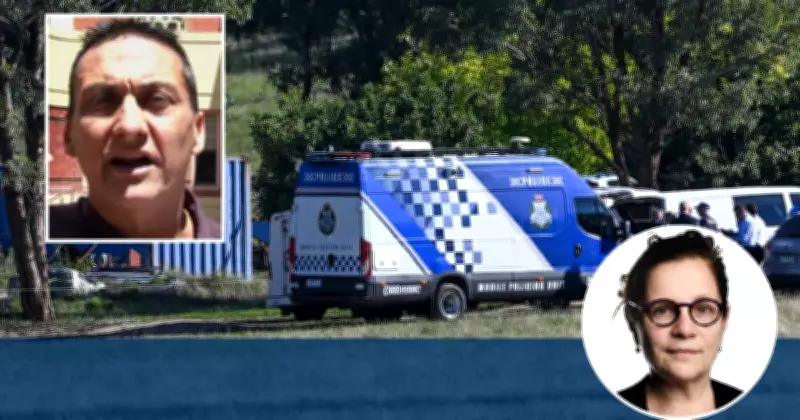
In a dramatic conclusion to a seven-month manhunt, Des Filby, a 56-year-old fugitive also known as Dezi Freeman, was shot dead this week during a stakeout by the Victoria Police Special Operations Group. The operation took place on a remote property in Thologolong, near Walwa on the Victoria-New South Wales border, marking the end of a nationwide search that had gripped communities across the region.
Background of the Fugitive and Police Tragedy
Filby had been on the run since he killed two police officers, Neal Thompson and Vadim De Waart-Hottart, near the regional town of Porepunkah. This violent act sent shockwaves through the local community, leaving residents in fear and disrupting daily life. The loss of the officers was deeply felt, with tributes pouring in from colleagues and citizens alike, highlighting the profound impact of their deaths on law enforcement and public safety.
Impact on Community and Local Economy
The aftermath of Filby's actions extended beyond the immediate tragedy, throwing tourism and business into upheaval. With a dangerous murderer at large, many residents and visitors struggled to feel safe, leading to a noticeable decline in economic activity. Local businesses reported significant losses as people avoided the area, and tourism operators faced cancellations and uncertainty, compounding the emotional toll on the community.

Authorities had been intensively searching for Filby, deploying extensive resources to track him down. The stakeout in Thologolong was the culmination of these efforts, with police acting on intelligence to locate him in the remote location. The operation involved careful planning and coordination to ensure public safety while apprehending the fugitive.
Police Response and Community Relief
Following the shooting, Victoria Police issued statements confirming Filby's death and expressing condolences to the families of the slain officers. The community has begun to process the events, with many expressing relief that the threat has been neutralized. However, questions remain about the broader implications for policing and public security in rural areas.
This incident underscores the challenges faced by law enforcement in dealing with high-risk fugitives and the lasting effects of such crimes on small communities. As investigations continue, the focus shifts to supporting those affected and rebuilding trust in the region.